


Understanding Dimensional Lumber Actual Sizes: The Difference Explained
Here's everything you need to know about the actual dimensions of your lumber
Whether you're framing a house, building a deck, or tackling a weekend DIY project, dimensional lumber is one of the most common building materials you'll use.
Its standardized sizes make planning and construction faster, easier, and more consistent.
One of the biggest sources of confusion for new builders and sawyers, however, is understanding why a board labeled 2x4 isn't actually 2 inches by 4 inches. Knowing the difference between nominal and actual lumber dimensions is essential for accurate planning and professional results.
In this guide, we'll explain how dimensional lumber is sized, why actual dimensions differ from nominal sizes, common lumber dimensions, and whether you should mill your own lumber to nominal or actual sizes.
What is Dimensional Lumber?
Dimensional lumber is wood that has been sawn to standardized thicknesses and widths for construction and woodworking.
After sawing, dimensional lumber is typically dried (either air-dried or kiln-dried) and planed to produce smooth, consistent finished dimensions. While the exact process can vary depending on the mill, wood species, and intended application, these finishing steps create the standardized lumber used throughout the construction industry.
Standardized lumber sizes make it possible for builders to design structures using materials that fit together predictably. Whether produced by a commercial sawmill or cut on a portable sawmill, dimensional lumber is used in countless residential, commercial, and DIY projects. Softwood lumber is commonly used for construction purposes in building construction.
Common applications include:
-
-
Home framing
-
Decks and patios
-
Fences
-
Sheds and outbuildings
-
Siding
-
Interior framing
-
General woodworking
-
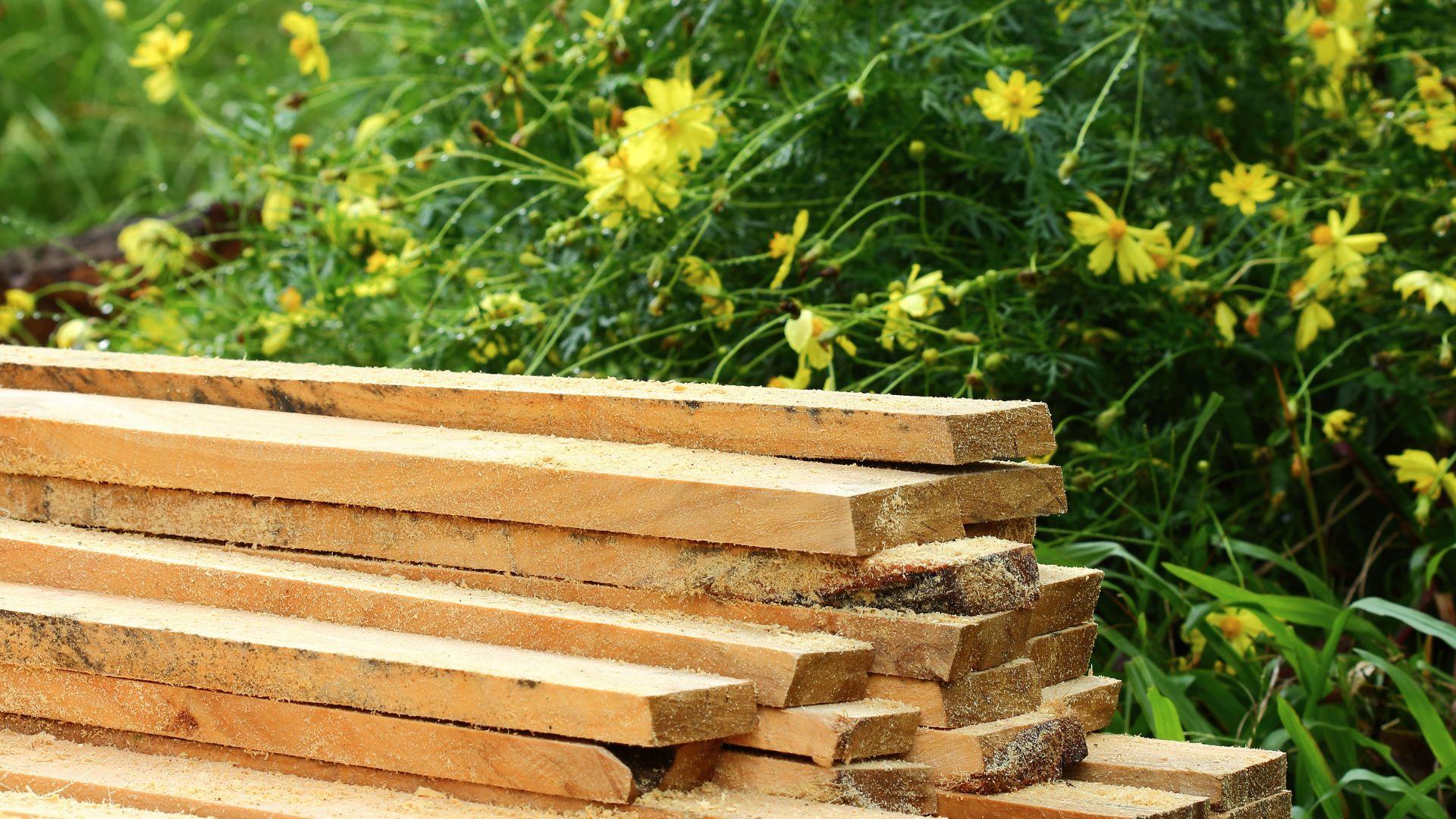
Dimensional Lumber's Actual Sizes Explored
One of the most important concepts to understand is the difference between a board's nominal size and its actual size.
Nominal Size
A nominal size refers to the rough dimensions of a board before it is dried and planed. These measurements have become the standard naming convention used throughout the lumber industry.
For example:
-
-
2x4
-
2x6
-
4x4
-
These names identify the lumber but do not represent its finished dimensions. Instead nominal measurements are often used as convenient shorthand for the actual measurements.
Actual Size
The actual size is the board's finished measurement after drying and surfacing. Lumber is intentionally sawn slightly oversized to allow for natural shrinkage during drying and the material removed during planing. Once dried and surfaced, the board reaches its standardized finished dimensions.
For example:
| Nominal Size | Actual Size |
|---|---|
| 2x4 | 1½" × 3½" |
| 2x6 | 1½" × 5½" |
| 4x4 | 3½" × 3½" |
This is why a "2x4" purchased from a lumber yard has actual measurements of 1½ inches by 3½ inches rather than a full 2 inches by 4 inches. Green lumber is cheaper but prone to greater shrinkage, while kiln-dried lumber has a moisture content below 10% and more stable actual measurements.
Green lumber contains significantly more moisture than kiln-dried lumber and will continue to shrink as it dries. Kiln-dried lumber has a more stable moisture content, making it less prone to movement after installation.
When milling your own lumber, you have the flexibility to produce either true nominal dimensions (2" × 4") or finished actual dimensions (1½" × 3½"), depending on your project requirements.
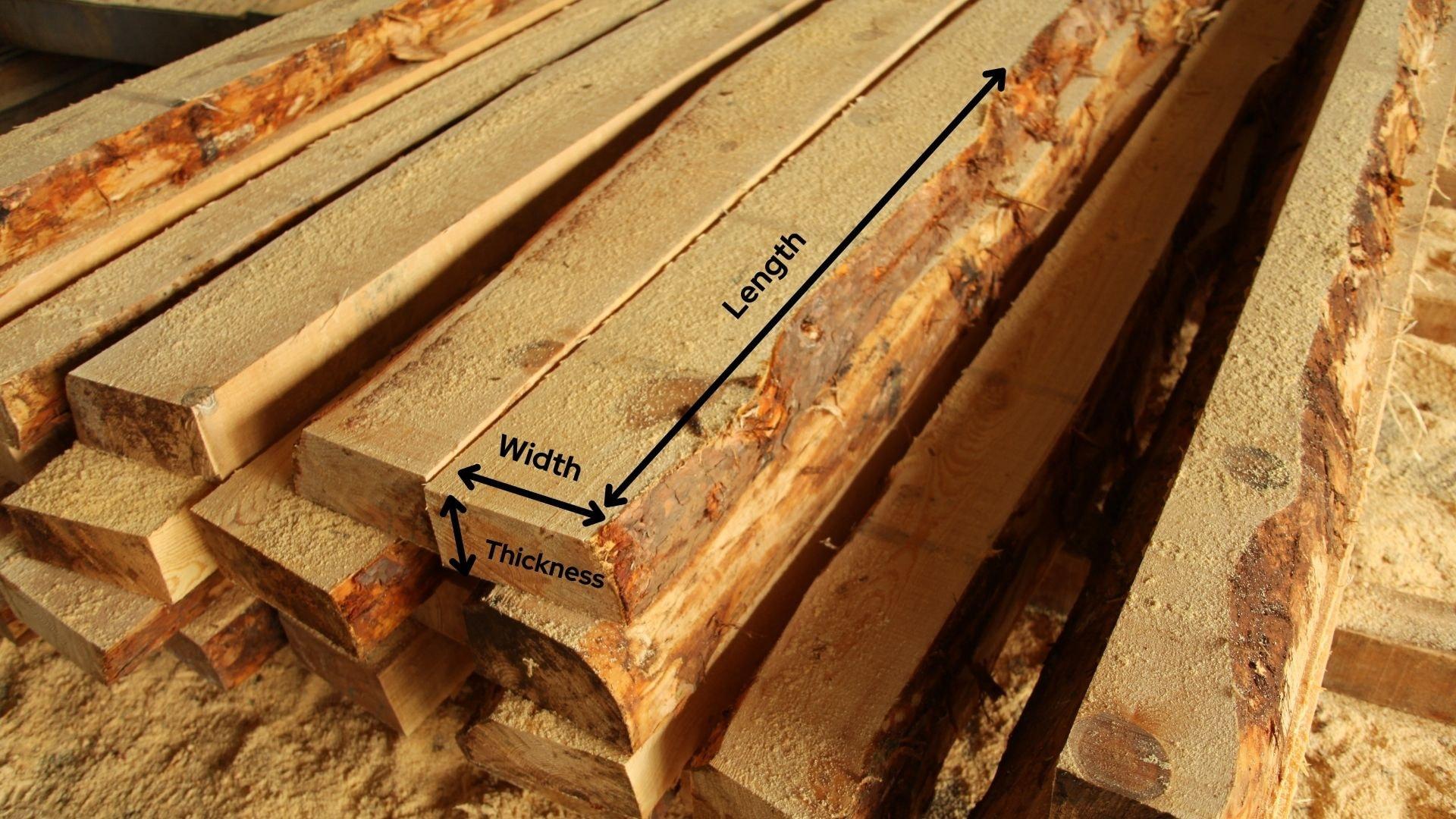
Why Are Nominal Sizes Still Used?
Historically, rough-cut lumber measured much closer to its stated dimensions. As milling practices evolved, lumber began being dried and planed before sale, resulting in smaller finished boards. Rather than changing the naming system, the industry continued using the original nominal sizes because they were already well established among builders, designers, and building codes. Today, nominal sizes remain the standard way lumber is identified, even though the actual dimensions are smaller.
Standard Dimensional Lumber Sizes
Although dimensional lumber comes in many sizes, the following table is a handy chart of common dimensional lumber sizes used most frequently in residential construction and woodworking.
| Nominal Size | Actual Size |
|---|---|
| 1x2 | ¾" × 1½" |
| 1x4 | ¾" × 3½" |
| 1x6 | ¾" × 5½" |
| 1x8 | ¾" × 7¼" |
| 2x2 | 1½" × 1½" |
| 2x3 | 1½" × 2½" |
| 2x4 | 1½" × 3½" |
| 2x6 | 1½" × 5½" |
| 2x8 | 1½" × 7¼" |
| 2x10 | 1½" × 9¼" |
| 2x12 | 1½" × 11¼" |
| 4x4 | 3½" × 3½" |
| 4x6 | 3½" × 5½" |
| 6x6 | 5½" × 5½" |
These standard dimensions are used across the construction industry as common dimensional lumber sizes for softwood lumber in framing walls and other building projects, making it easier to follow building plans and ensure components fit together correctly.
Standard framing lumber is typically sold in nominal lengths such as 8, 10, 12, and 16 feet. Actual board lengths are often slightly longer to allow for trimming during construction.
Should You Mill to Nominal or Actual Size?
If you're milling your own lumber with a portable sawmill, deciding whether to cut boards to nominal or actual dimensions depends on how they'll be used.
Mill to Nominal Size If:
-
-
You're building an entire project using your own lumber.
-
You prefer designing around simple dimensions like 2x4 or 4x4.
-
You want thicker lumber for greater strength or future planing.
-
Mill to Actual Size If:
-
-
You're combining home-milled lumber with store-bought materials.
-
Your project requires components that match commercially available lumber, and kiln-dried lumber is generally ideal for indoor construction projects where stable fit matters.
-
Precise dimensions are important for framing or furniture construction; for example, hardwood dimensional lumber such as oak is a strong choice for flooring and cabinetry where dense wood and accurate sizing matter.
-
Neither approach is right or wrong, the best choice depends on your project and whether compatibility with commercial lumber is important.
One advantage of milling your own lumber is that you're not limited to commercial dimensions. If your project benefits from true 2" × 4" stock, oversized beams, or custom dimensions, a portable sawmill gives you complete control over the finished lumber you produce.
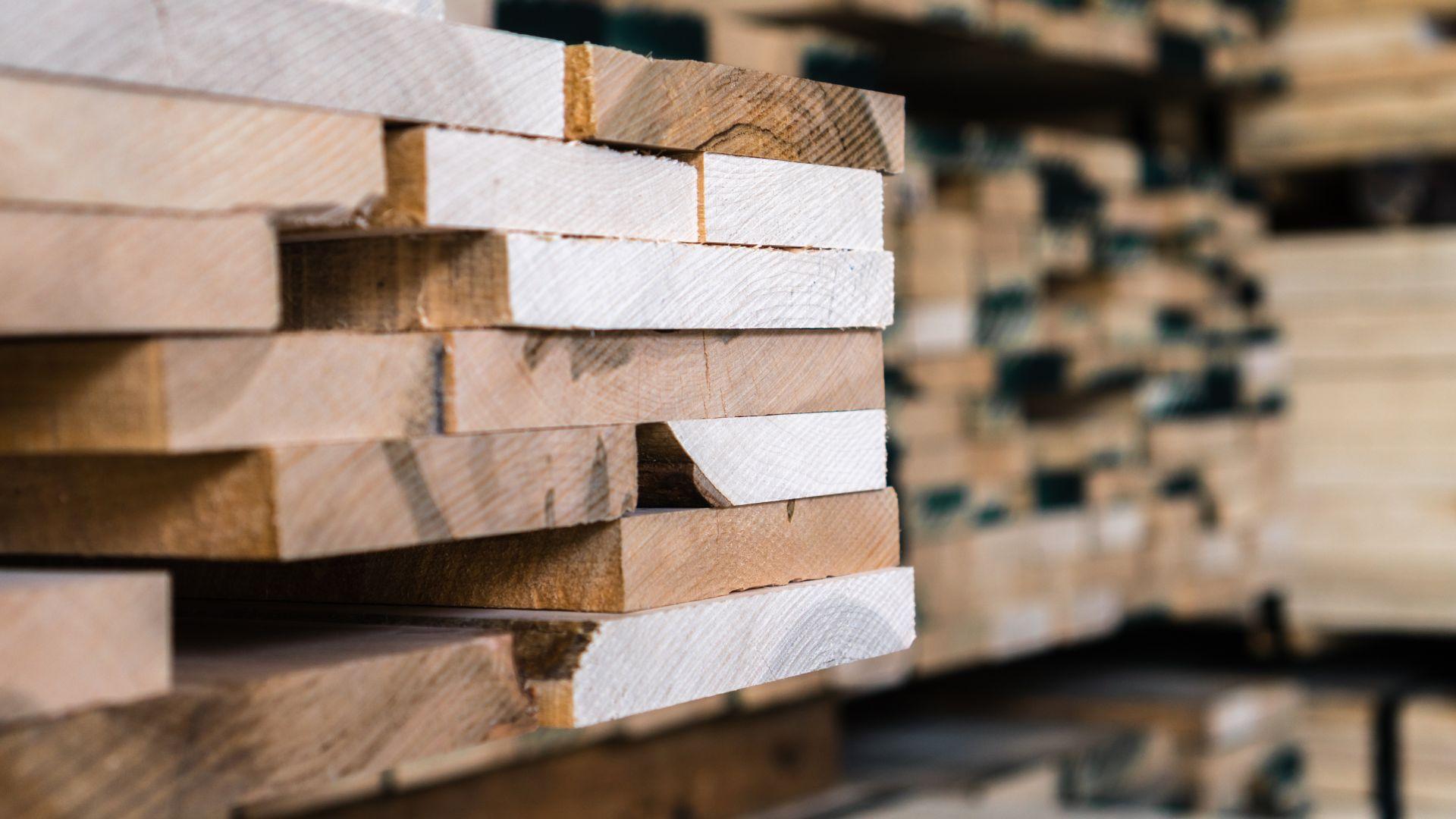
Milling Lumber to Standard Sizes
Portable sawmills equipped with thin-kerf bandsaw blades remove significantly less material than large commercial mills. Because portable sawmills produce rough-sawn lumber, boards typically remain much closer to their original sawn dimensions until they're planed.
If you want finished boards that match commercially available lumber, you'll typically need to plane the lumber after milling. A planer removes material from each face to produce smooth, consistent dimensions that match your desired finished size.
Some sawyers intentionally mill close to the desired finished dimensions, while others leave additional material for planing after drying. The best approach depends on how the lumber will be used and the level of finish required.
If you're building furniture or projects where precise joinery is important, measure frequently while milling. It's always easier to remove additional material later than it is to correct a board that's been cut too small.
Tips for Milling Accurate Dimensional Lumber
Producing consistent lumber takes practice, but a few simple habits can improve your results.
-
-
Practice on lower-grade logs before milling valuable lumber.
-
Measure boards frequently throughout the cutting process.
-
Test-fit parts before milling an entire batch.
-
Leave extra material for final planing and sanding.
-
Use your sawmill's log scale or measuring system to improve cutting accuracy.
-
If combining home-milled and store-bought lumber, verify dimensions before assembly.
-
In Summary: Milling Actual Lumber Sizes vs Nominal Lumber Sizes
Understanding the difference between nominal and actual lumber sizes can save time, reduce mistakes, and improve the accuracy of any building project.
Whether you're purchasing lumber from a supplier or milling your own logs, knowing how standard dimensions are defined helps ensure your materials fit your plans. And if you're producing your own lumber on a portable sawmill, you have the added flexibility to mill either true nominal sizes or finished dimensions that match commercial lumber, whichever best suits your project.
SHOP SAWMILLS
HM122
An entry-level sawmill packed with impressive features at a budget-friendly price. Designed for hobby sawyers or woodworkers looking for an economical solution to mill lumber.
HM126MAX
The original Woodland Mills portable sawmill. Trusted by hobbyists for years, now featuring a FULLCUT™ sawhead to maximize usable cut width.
HM130MAX®
A wide capacity sawmill that produces stunning high-value live-edge boards. Loaded with features including our FULLCUT™ sawhead, RapidChange® blade system, auto lube, and more.
HM136MAX™
The ultimate solution for cutting wide live edge slabs, perfect for tabletops, counters, benches, and more. Our unique FULLCUT™ sawhead design ensures your logs' widest assets are left intact.
Join the Woodland Mills Community Facebook group. Search advice and insights from over 65,000 knowledgeable, supportive members.
- Pre-purchase considerations
- Sawmill set-up support
- Project inspiration photos and videos
- Community troubleshooting support