


Top 5 Options for Where to Sell Woodworking Projects
Want to get more money for your wood projects? Consider these places for selling your cutting boards, slabs and tables
Do you make artisanal charcuterie boards or hand crafted furniture that could sell for a lot of money, but you're not sure where to sell it?
Sometimes woodworking skills don't necessarily translate to sales and marketing skills, and it can be difficult to find places to sell stuff like handmade coffee tables, pictures frames or other quality work.
Many sawyers and woodworkers in the Woodland Mills Product Owners and Community Facebook Group sell their own goods made on their portable sawmills, and use a variety of methods to do it.
In this day and age there are plenty of options for selling your own goods, be it online or in-person. So let's go over a few that can help most woodworkers sell their work.
Places to Sell Woodworking In-Person
Want to set up a booth or stall and sell your cutting boards and other handmade crafts in-person? There's a personal touch to meeting people, handing out business cards and networking. Even if you don't make a sale right away, sometimes you can stand out to a customer and make one down the line.
Here are a few suggestions for where to sell your goods in the real world:
Crafts Markets
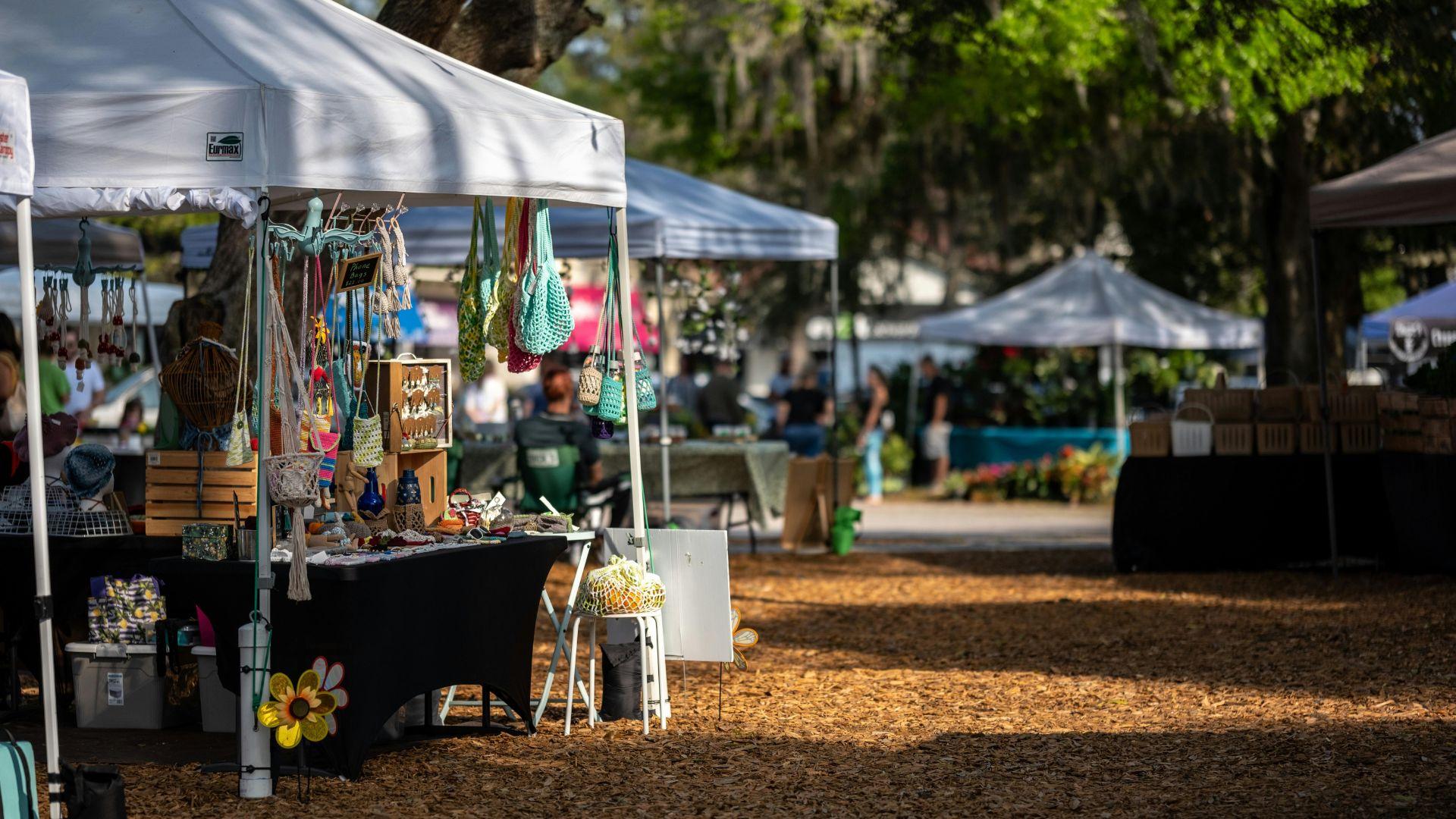
One of the best places for independent artists and artisans to sell their goods is crafts markets. Nearly every community big and small will have at least a few craft markets per year, and if not there's surely some within driving distance.
Craft markets are great opportunities to make connections, not just with customers, but other likeminded makers where you can get inspiration. If you cut your own lumber with a portable sawmill, you might be able to make some quick friends and customers with the local woodworking community.
-
-
Advantages: Having a presence at crafts markets increases your marketability, and if your work stands out to the same person after seeing it at multiple events, they're more likely to make a sale.
-
Downsides: The main downside to selling primarily at crafts markets is labour, requiring you do to the legwork to find them, apply as a vendor and then lug all your equipment there. But many with a keen eye and the determination to make money have gotten their start at these markets.
-
Maker's Markets

This is a new type of business that's been popping up all over.
What if independent craftsman and artisans could sell their goods at crafts markets, but year round? That's the mantra of these businesses, which allocate permanent space in their stores to vendors, who pay a fee to reserve the space long term.
Many independent sellers personalize their booths or stalls with materials of their own design that show their personality, and also make it easy to find and follow them on social media.
-
-
Advantages: Maker's markets don't require you to be physically present, since you can set up your stall and restock it when it gets depleted.
-
Downsides: Customers don't get to personally meet or know you, and you have to put faith in the market runner to maintain your business.
-
Operate Your Own Space
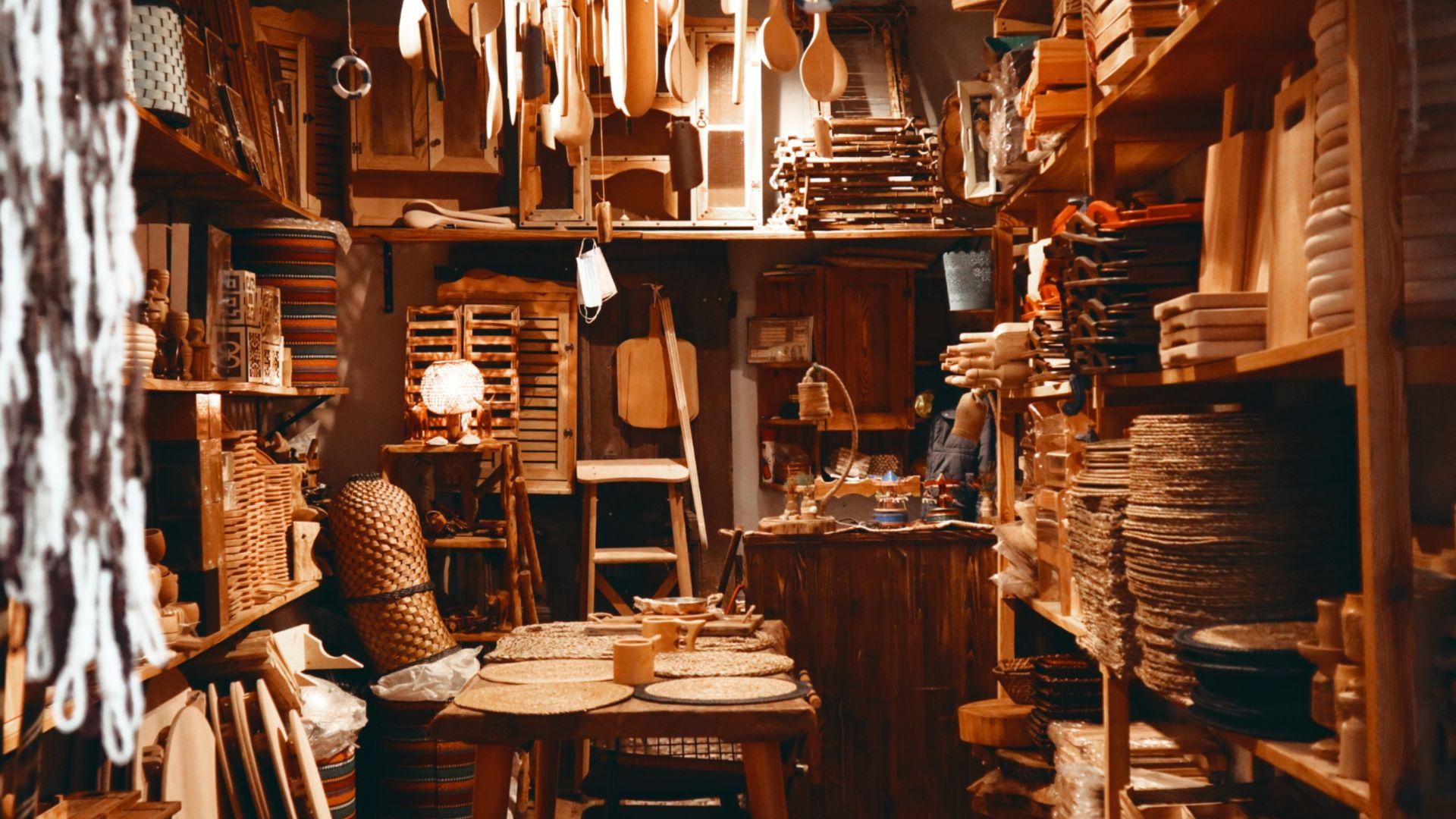
Do you own your own rural property where you could set up a stall on the side of the road? Or maybe you have the room to make a small shop?
Some makers, such as those who do wood carvings, often use their own land to display their portfolios, taking advantage of the exposure of passing drivers to sell their belongings. On a larger scale, you could potentially set up a shop and sell not only your goods, but potentially other local makers' goods as well. A fully equipped shop could make a lot of money, especially in tourist-centric areas.
While there is a material cost to build your own shop, you don't have to pay rent and you can take advantage to the close proximity to your home or workshop.
-
-
Advantages: Low overhead and you can create the perfect space for your own personal use. Cater the space to your tastes and attract drivers and tourists with your own charm.
-
Downsides: This requires you to have your own land or space to build a structure, plus upkeep and maintenance. In a busy tourist season you may end up spending more time manning the shop than making new woodworking projects.
-
Where to Sell Woodworking Projects Online
Looking to sell your turned bowls, slab tables or other woodworking projects from the comfort of your own home? Most people would like to do business from their couch or home office, plus you don't need to rent a physical space in order to sell your goods. Here are some prime places to do business online:
Facebook Marketplace
This nearly ubiquitous shopping option has taken the world by storm, and nearly everyone has access to this marketplace. It's become the go-to option for secondhand goods, selling baked goods and also woodworking projects like handmade tables and chairs.
Just make a listing and cast it out and see what you can catch. You can make as many listings as you want, and many woodworkers and sawyers selling homemade lumber from their portable sawmills have said they've had great luck on the platform.
-
-
Advantages: No overhead costs, plus exposure to a massive customer base where the algorithm will promote your content to those interested in woodworking.
-
Downsides: Facebook Marketplace can be a very saturated market, and if your post is up for too long it will be driven to the bottom of peoples' feeds. User's personal settings often limit their geographic area for listings, potentially limiting your audience.
-
Private Social Media Groups

There are many types of groups on social media platforms like Facebook dedicated to woodworking, whether you're a maker or an interested buyer.
While some makers run their own stores on their own websites or on Etsy, sharing your profile and some examples of your work in these groups can be great for exposure. Sometimes a particular project of yours can go viral, which can be a huge windfall for your business.
You need to know where to go, but look into local groups as well as hobby-specific ones, such as those dedicated specifically to resin pour projects, and see what you can find.
-
-
Advantages: You're connecting with a group that's hyper-interested in your specific product, and even if you're not making a sale, you're still connecting with other likeminded crafters and sharing ideas and inspirations.
-
Downsides: This requires you to be online and networking, and if you don't run your own platform for sales, then you'll need to privately handle negotiations with customers and handling payments.
-
What else should I know about selling my woodworking projects?
Still thinking about where and how to sell your projects? Here are a few final tips:
-
-
The higher price your project, the longer it will take for a customer to consider. That's why repeat craft markets are ideal, but also having Marketplace or Etsy listings customers can like or follow
-
Price your items to the market. In an area with ritzy tourists you can sell higher quality and more expensive projects, whereas in more modest areas, you should cater your projects to their budget
-
You can put as much effort into selling as you want, whether it's part-time on weekends or as a full-time job. Do as much as you're comfortable with, and don't be afraid to start small especially if you're selling smaller items
-
Want to make bigger projects? If you can source your own timbers, large portable sawmills like the Woodland Mills HM130MAX or HM136MAX can take your projects to the next level
-
SHOP SAWMILLS
HM122
An entry-level sawmill packed with impressive features at a budget-friendly price. Designed for hobby sawyers or woodworkers looking for an economical solution to mill lumber.
HM126MAX
The original Woodland Mills portable sawmill. Trusted by hobbyists for years, now featuring a FULLCUT™ sawhead to maximize usable cut width.
HM130MAX®
A wide capacity sawmill that produces stunning high-value live-edge boards. Loaded with features including our FULLCUT™ sawhead, RapidChange® blade system, auto lube, and more.
HM136MAX™
The ultimate solution for cutting wide live edge slabs, perfect for tabletops, counters, benches, and more. Our unique FULLCUT™ sawhead design ensures your logs' widest assets are left intact.
Join the Woodland Mills Community Facebook group. Search advice and insights from over 65,000 knowledgeable, supportive members.
- Pre-purchase considerations
- Sawmill set-up support
- Project inspiration photos and videos
- Community troubleshooting support