


Advice on Building a Wood Kiln to Dry Lumber
Air drying gets the job done but building a solar kiln gives faster and more consistent results
A wood-drying kiln can dramatically speed up the processing time for your lumber, letting you use it faster.
But how do you make one of these kilns, and what are best practices to ensure the wood milled on your portable sawmill achieves the right moisture content without checking or warping?
The Woodland Mills Community and Facebook Group has many experienced sawyers who have put thousands of board feet through the drying process, whether they do kiln drying or air drying. They have lots of tips for how to save money by building your own kiln, while providing plenty of advice on what you should be doing inside the kiln.
Here is some of the best advice they have:
What is the point of kiln drying lumber?
Kiln drying milled lumber ensures it remains flat and level and prevents warping and splitting.
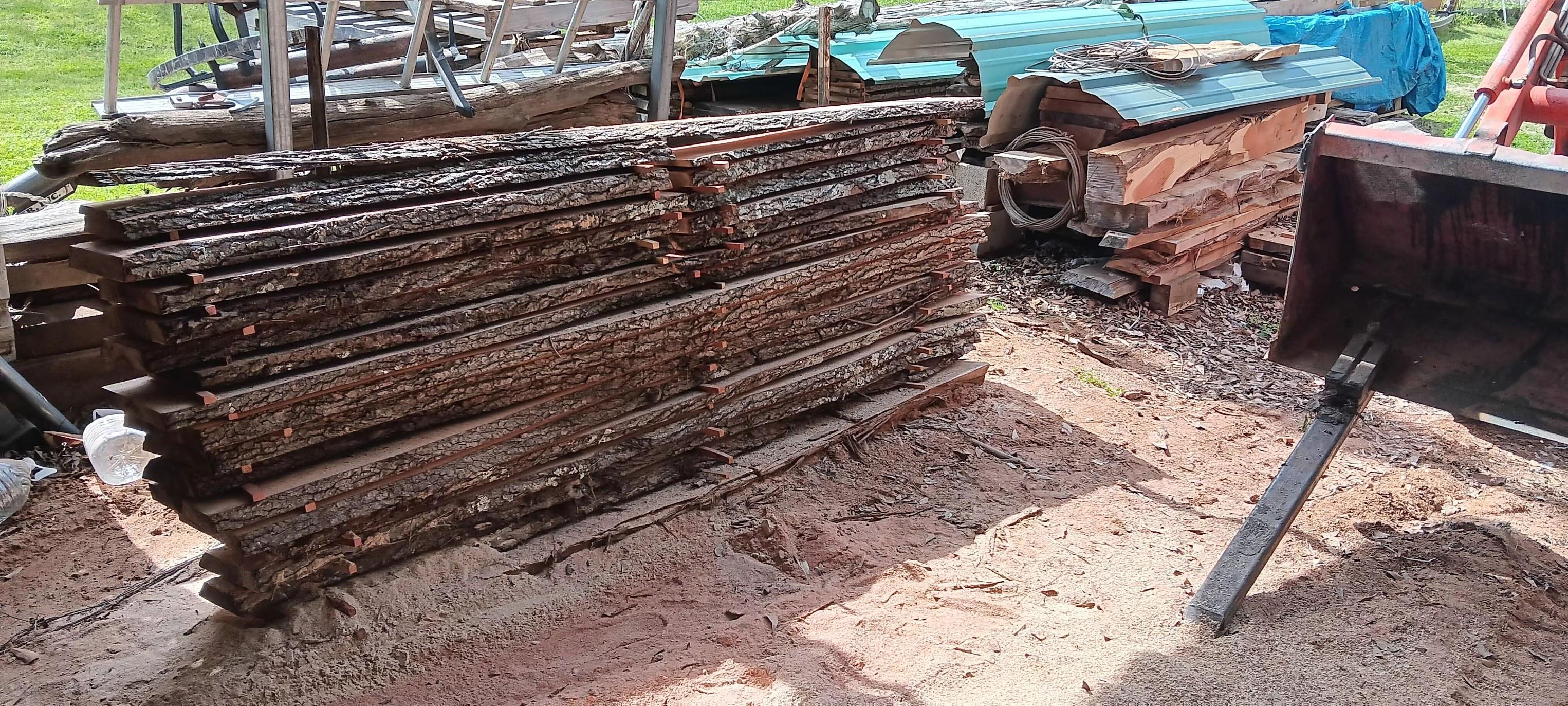
When a tree is cut down, the log will immediately begin the process of drying. Controlling the drying process involves milling and then stacking and stickering your lumber, to prevent it from drying in a way that damages the lumber. By building a kiln you have far greater control of this process.
Most pressure treated lumber you buy at the hardware store or lumber yard isn't dry, and many sawyers complain about it being knotty and warped. So by milling and drying your own lumber at home you can ensure you're using high quality lumber for your projects.
There are many simple kiln plans online for making a kiln at home, and this process will help you save money over purchasing a pre-fabricated kiln and also ensure your wood achieves the optimal moisture content.
What type of lumber drying kiln should I build?
Regardless of what type of kiln you wish to build, you should follow some basic principles for stacking and stickering, including making sure your boards are off the floor and there is adequate air flow even on the top layer of boards. There are typically two types of kilns people usually build for drying wood:
Solar Kilns
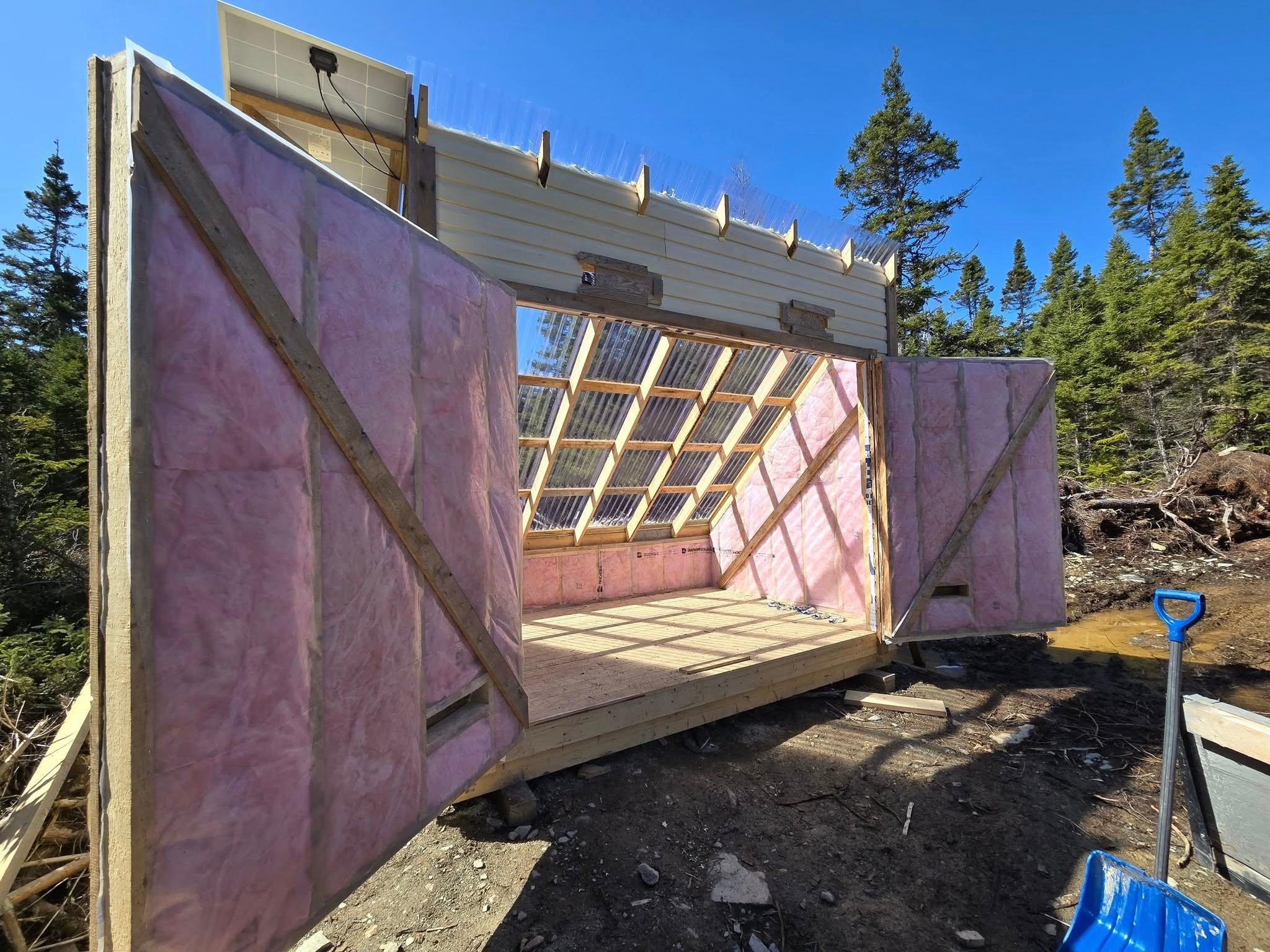
This is what you'll see most hobbyist sawyers building at home to do DIY lumber drying. With many simple plans online, it can be super easy to turn sunny days into heat to dry your lumber. The technique with these kilns is:
-
-
Use a sheet of glass or plexiglass to allow sun and heat into the kiln
-
The kiln is sealed to trap heat inside. It doesn't have to be air tight but it should keep hot air in
-
Use fans to blow and circulate air throughout the boards
-
There are barn-door style solar kilns to dry pine, maple or red oak every, as well as sliding door lean-to solar kilns. Almost all styles rely on the same principle of trapping solar heat inside to dry the lumber.
Dehumidification Kilns
These are a bit more complex but rely on heat and mechanical dehumidification to incur drying. Some sawyers build dehumidification kilns using old shipping containers to dry lumber. These kilns:
-
-
Rely on a heat source like a wood stove or electric heaters
-
Use dehumidifiers to draw moisture out of the air
-
Use fans to blow hot air throughout the stacks of lumber
-
Some dehumidification kilns run on errant heat from your home's heating system, so see if there's a way of running the heat from your wood stove into your kiln. You could save on heating costs by using residual heat from your home.
What moisture content should I achieve when drying lumber?
Many sawyers aim to get their wood to 10-12% moisture content to build. This is best for slabs and dimensional lumber, and can easily be achieved at home by controlling humidity and heat.
Wood continues to dry even after you've built with it or used it in your project, so expect it to reduce by a few extra percentage points over time. Many builders rely on this knowledge, and build knowing the lumber will continue to dry and shrink. This is the logic behind the board-and-batten style of siding, knowing the wood will shrink over time and covering up the shrinkage with battons.
What should I be cautious of when kiln drying lumber?
Milled lumber can check and split if not dried properly. You can minimize checking by painting the ends (many sawyers use a simple latex paint but there are specialty paint products you can buy just for this purpose).
But the best way to minimize damage to your boards is by following the best practices. Don't rush your drying process, maintain a steady heat over a long period of time. It may be agonizing to wait a year to use your boards but you'll be satisfied with the end product, rather than rushing the process and ending up with split and warped boards.
Ensure your boards are properly stacked and stickered, and if you're seeing warpage then use ratchet straps and weights to set them straight again. Check in on them regularly and correct any issues if they arise.
Frequently Asked Questions for Kiln Drying Lumber
Q: I air dry my boards, do I have to build a kiln?
A: It's not necessary to build a kiln but you'll get much more consistent results if you do. Air drying can be effective but if you have an especially rainy or moist season it can take longer for your boards to dry. Some species also take longer than others, so a kiln gives you more control to speed up the drying process.
Q: What materials should I build my kiln from?
A: It doesn't really matter. Many sawyers mill lumber to build their kilns, while some reuse shipping containers or other structure. As long as the kiln is insulated to retain heat then it should work.
Q: It gets really hot inside my kiln, should I install vents to let hot air out?
A: That depends, do you see your boards splitting or checking? If your kiln retains heat and your boards are drying at a steady rate you shouldn't need to make any changes, but if you find your kiln is getting especially hot it may be a good idea to occasionally vent and air it out.
Make sure though you're not causing a build-up of carbon monoxide or other dangerous fumes inside your kiln too, so it may be a good idea to install a carbon monoxide or smoke detector too.
Join the Woodland Mills Community Facebook group. Search advice and insights from over 65,000 knowledgeable, supportive members.
- Pre-purchase considerations
- Sawmill set-up support
- Project inspiration photos and videos
- Community troubleshooting support