


How long can logs sit before milling?
Proper log storage can protect lumber quality when you cannot mill immediately
Trees are a valuable resource, but a felled log does not remain in the same condition indefinitely.
Moisture begins moving out through the exposed ends, while warm temperatures can encourage insects, fungi and staining. Over time, these changes can reduce both the yield and quality of the lumber you recover.
So, how long can logs sit before being milled on a portable sawmill?
Logs can sit anywhere from a few weeks to over a year depending on environmental factors. Species, season, climate, storage conditions and the intended use of the lumber all matter, and logs stored through a cold winter may remain usable much longer than the same logs left in warm, humid summer conditions.
For landowners, sawyers and woodworkers milling their own logs, especially with a portable sawmill, the best approach is still to mill valuable logs as soon as reasonably possible. This guide explains how to store logs, how weather and season affect how long they stay millable, what signs of checking, staining, decay and insect damage to watch for, what equipment helps with handling and milling, and how to choose a Woodland Mills portable sawmill to turn your logs into milled lumber.
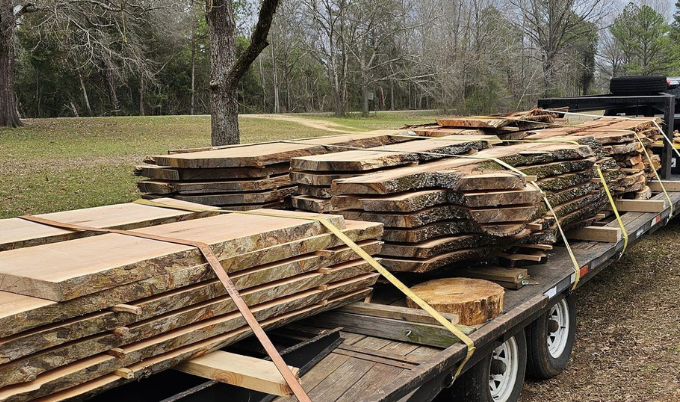
How Long Can You Wait Before Milling a Log?
For high-value lumber, sooner is generally better. Milling promptly reduces the opportunity for end checking, staining, insect damage and decay to develop.
That does not mean every log left for several weeks is ruined. Sound logs can sometimes remain millable for months under favorable conditions, particularly when they are harvested during cold weather, raised off wet ground and protected from direct sun.
However, storage time should never be treated as a guarantee. A log stored during a hot, humid weather may begin deteriorating much faster than a durable log kept through winter.
Consider these factors:
-
-
Tree species: Some species stain, check or decay more quickly than others
-
Season: Heat and moisture generally increases insect and fungal activity
-
Log diameter: Small-diameter logs can lose moisture and check more quickly
-
-
-
Existing damage: Storm damage, broken branches and decay can shorten useful storage time
-
Storage location: Ground contact, standing water and direct sunlight can accelerate deterioration
-
If a log contains valuable figure, spalting or an uncommon species, avoid delaying just because its exterior still looks sound. Some deterioration begins beneath the bark or inside the log before it becomes obvious.
Every log decays slightly differently, from different wood species like red oak or white oak to pine, maple or walnut logs. If you want to know what's inside your log and begin the drying process, the best way to find out what's inside such a log is to mill it right away.
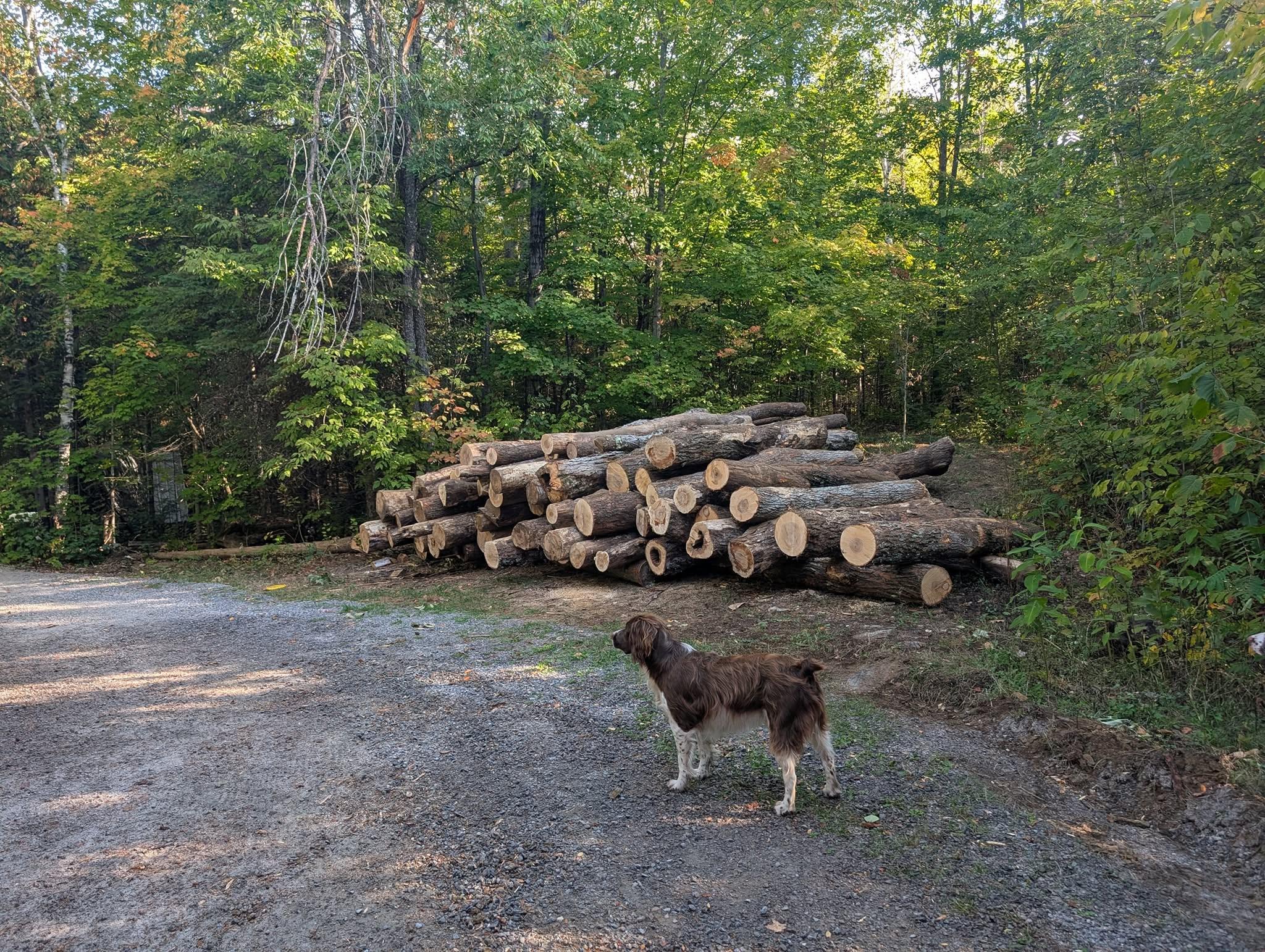
What Happens When Logs Sit Too Long? Understanding log deterioration
Once a tree is felled, it can no longer regulate moisture or defend itself from insects and biological deterioration. That means from the moment you harvest a tree, the a clock begins ticking. That doesn't mean you need to mill your log right away, but be aware that the aging process has already started.
Common changes include:
-
-
End checking: Moisture escapes rapidly through exposed end grain, causing cracks to form
-
Fungal staining: Warm, damp sapwood can develop blue, grey or black discoloration
-
Decay: Fungi can gradually soften and weaken the wood
-
Insect damage: Wood-boring insects may enter through the bark, cut ends or damaged areas
-
-
-
Uneven moisture loss: The exterior can dry and shrink while the centre remains wet
-
Not every color change makes wood unusable. Spalting, for example, can produce patterns valued by some woodworkers. However, spalting is part of fungal activity and can eventually weaken the wood if it continues for too long.
If your goal is sound structural lumber or predictable woodworking stock, intentional spalting requires close monitoring and should not be confused with simply leaving logs exposed until they decay.
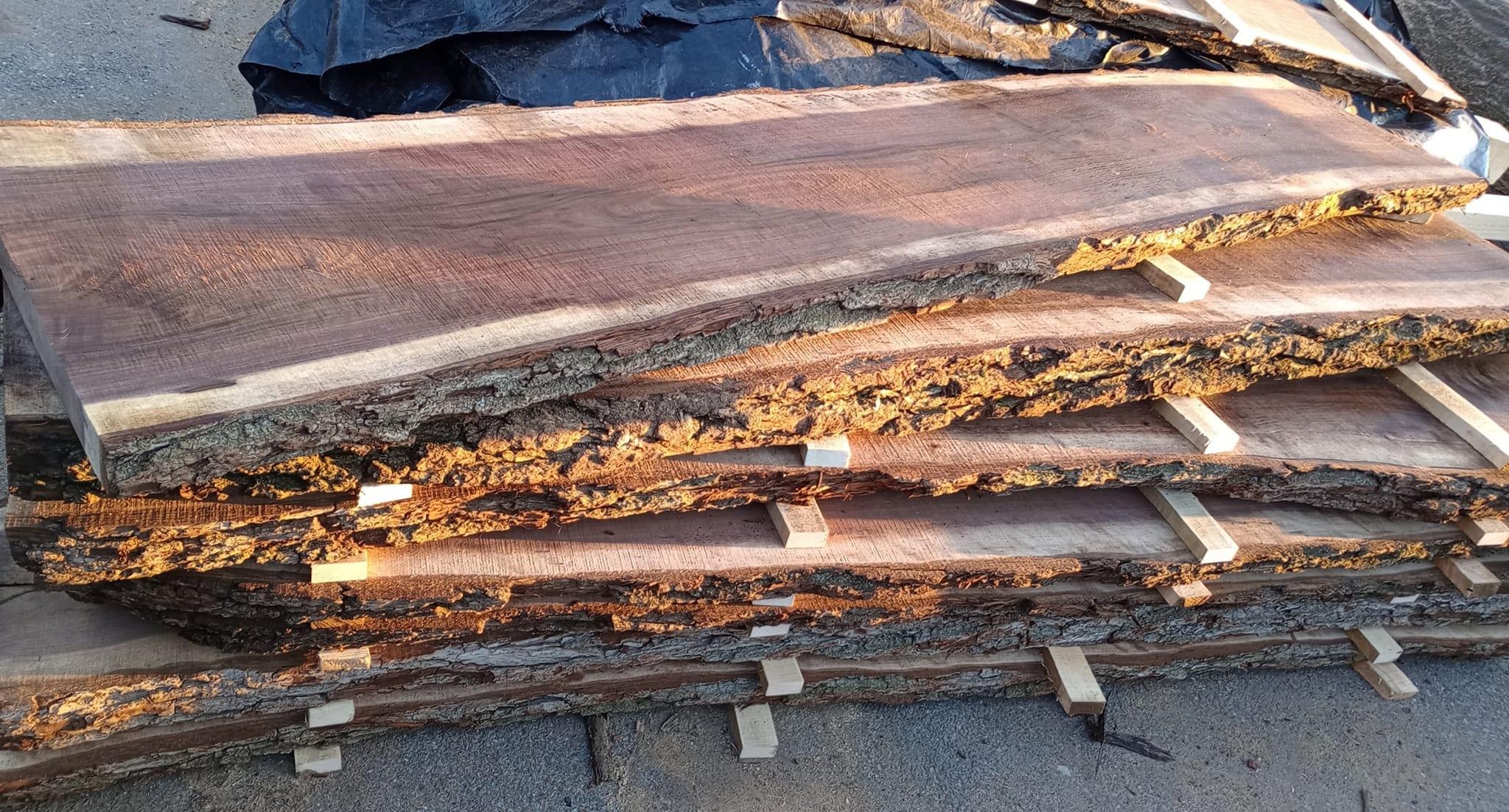
When do Woodland Mills sawyers mill their logs?
With tens of thousands of members, the Woodland Mills Product Owners and Community Facebook Group is a great source of knowledge and experience from varying skill levels of sawyers, from those who do it as a hobby to more commercial landowners.
Equipped with well engineered sawmill equipment like the Woodland Mills HM126MAX or HM130MAX, these sawyers know the value of their logs and how to extract it.
So what type of advice to they give for when you should mill your logs?
-
-
"Generally it is best to mill into cants or lumber as soon as possible after felling. This limits fungal stain (blue stain in pine), and insect attack - most all other species." - Raymond J.
-
"Soon as they stop bouncing after they hit the ground, start milling them." - David C.
-
"Do not let that white oak sit long or it will harden up on you and really chew through blades." - Tony S.
-
"Every tree I milled I fell right before. I gotta see it fall." - Bobby B.
-
"The greener the better." - Al F.
-
Sawyers want to make the most of their logs, and utilizing the best equipment and following best practices means you have the best chance to mill the best boards.
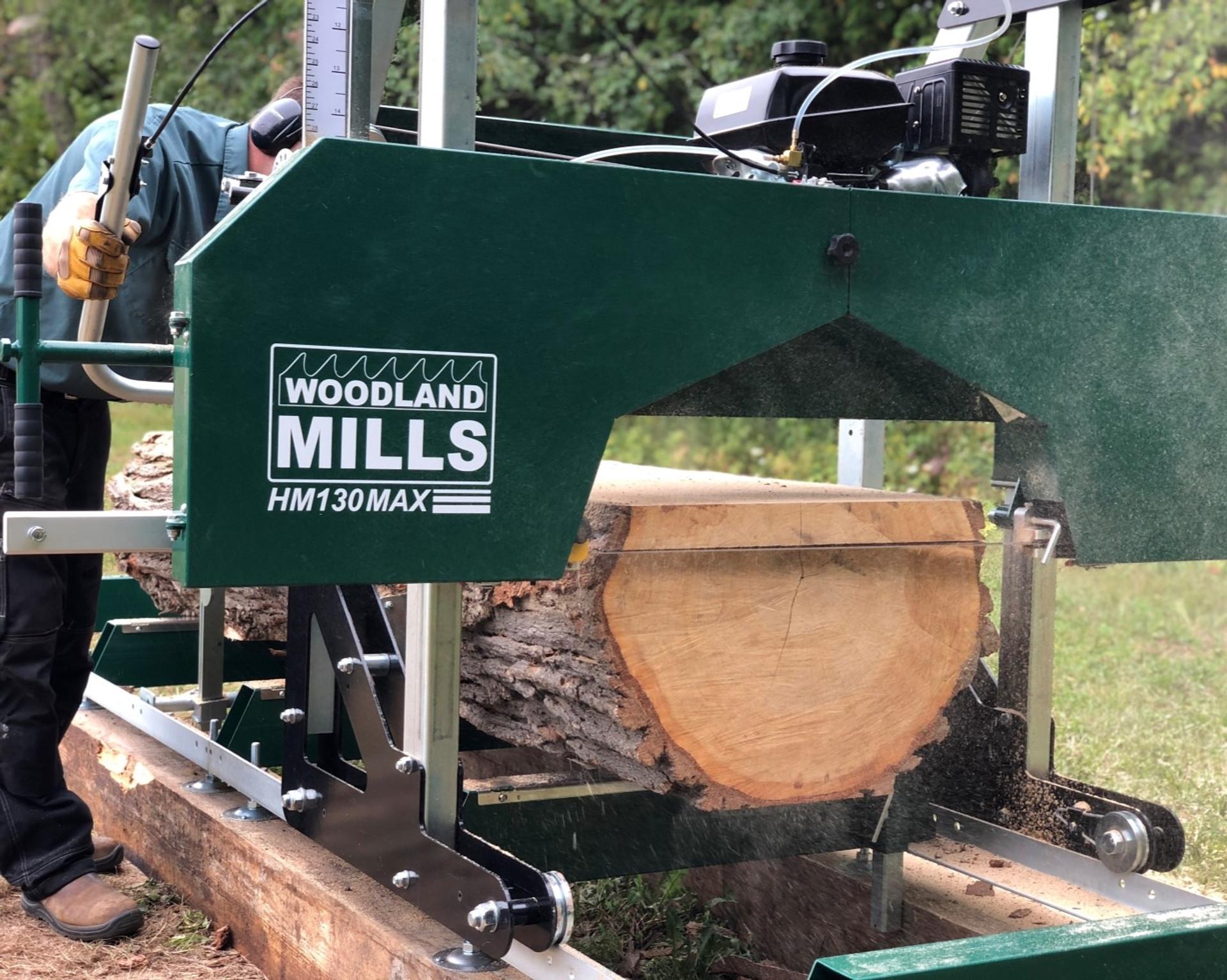
Does Season Affect How Long Logs Can Sit? The Impact of Time and Weather
Season can have a major effect on log storage. Here are the major considerations for milling in different seasons:
Storing Logs in Warm Weather
High temperatures and humidity can create favorable conditions for insects, staining and fungal growth. Direct sun may also cause the ends and exposed surfaces to dry too quickly, increasing checking.
During warm weather:
-
-
Inspect logs frequently
-
Keep them out of direct afternoon sun where practical
-
Maintain drainage around the storage area
-
Prioritize susceptible and high-value species
-
Mill logs promptly if staining, insect activity or checking appears
-
Why should you mill in the summer? Warm seasonal weather is great for drying milled slabs and boards, so consider milling your logs to let them dry over the summer months. Moisture trapped inside logs can cause deterioration over time, whereas milled logs have less volume and more exposed grain to let moisture escape, allowing them to dry more easily over time.
Storing Logs in Cold Weather
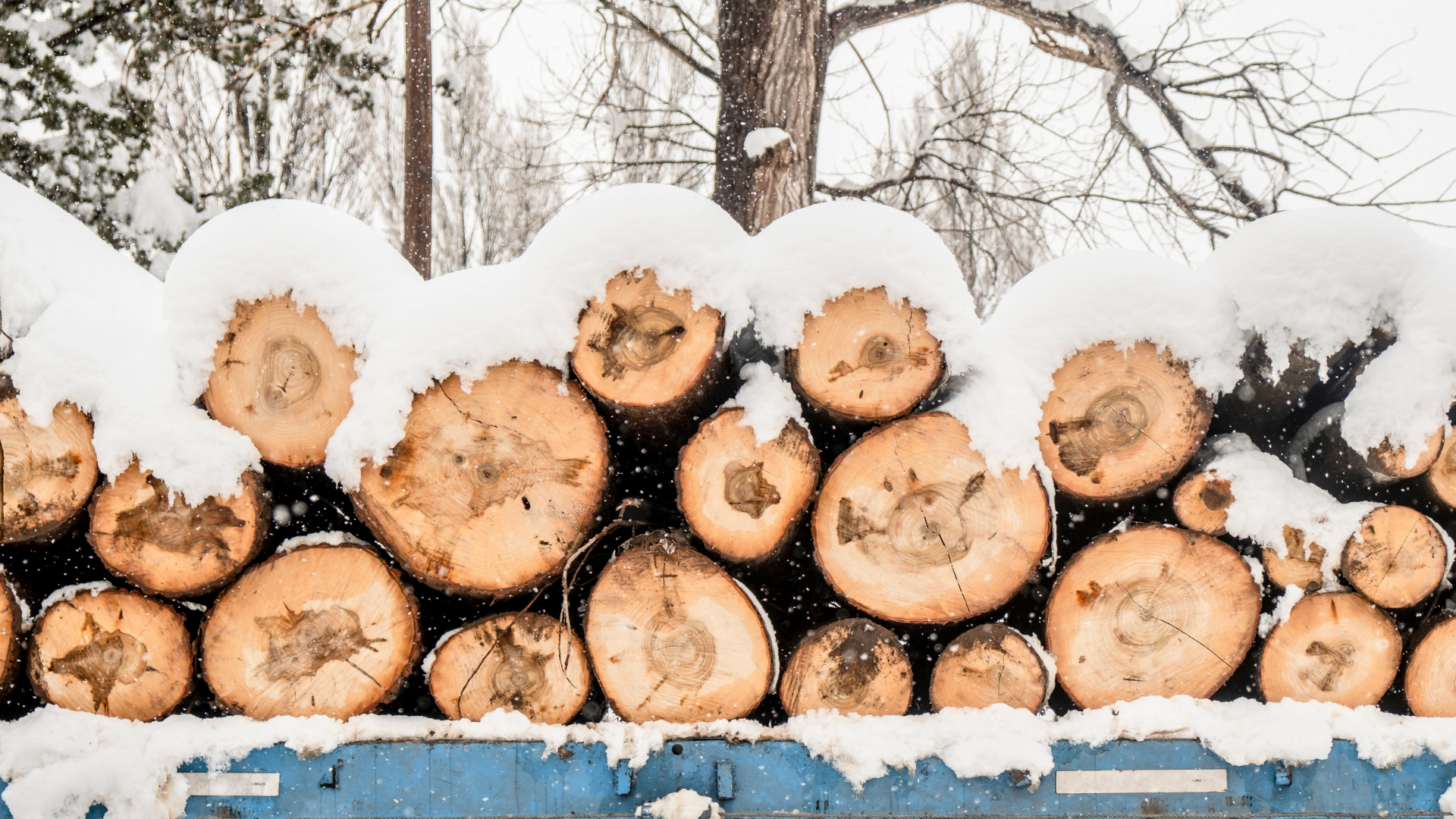
Cold temperatures generally slow fungal and insect activity, giving landowners more flexibility when building a winter log inventory.
Winter is often a practical time to harvest logs for future milling, but cold storage does not stop deterioration permanently. Conditions will change when temperatures rise, so logs carried into spring should be moved up the milling schedule.
Why should you mill in the winter? Many sawyers love winter milling because frozen moisture trapped in the log acts as a form of lubricant, creating a smoother milling experience for the operator. It also reduces pests, bugs and other issues you may face while milling in the summer. Of course you should also be cautious of frozen, slippery surfaces in the winter too, to avoid tripping.
How Should You Store Logs Before Milling? Key Factors That Influence How Long Logs Can Sit
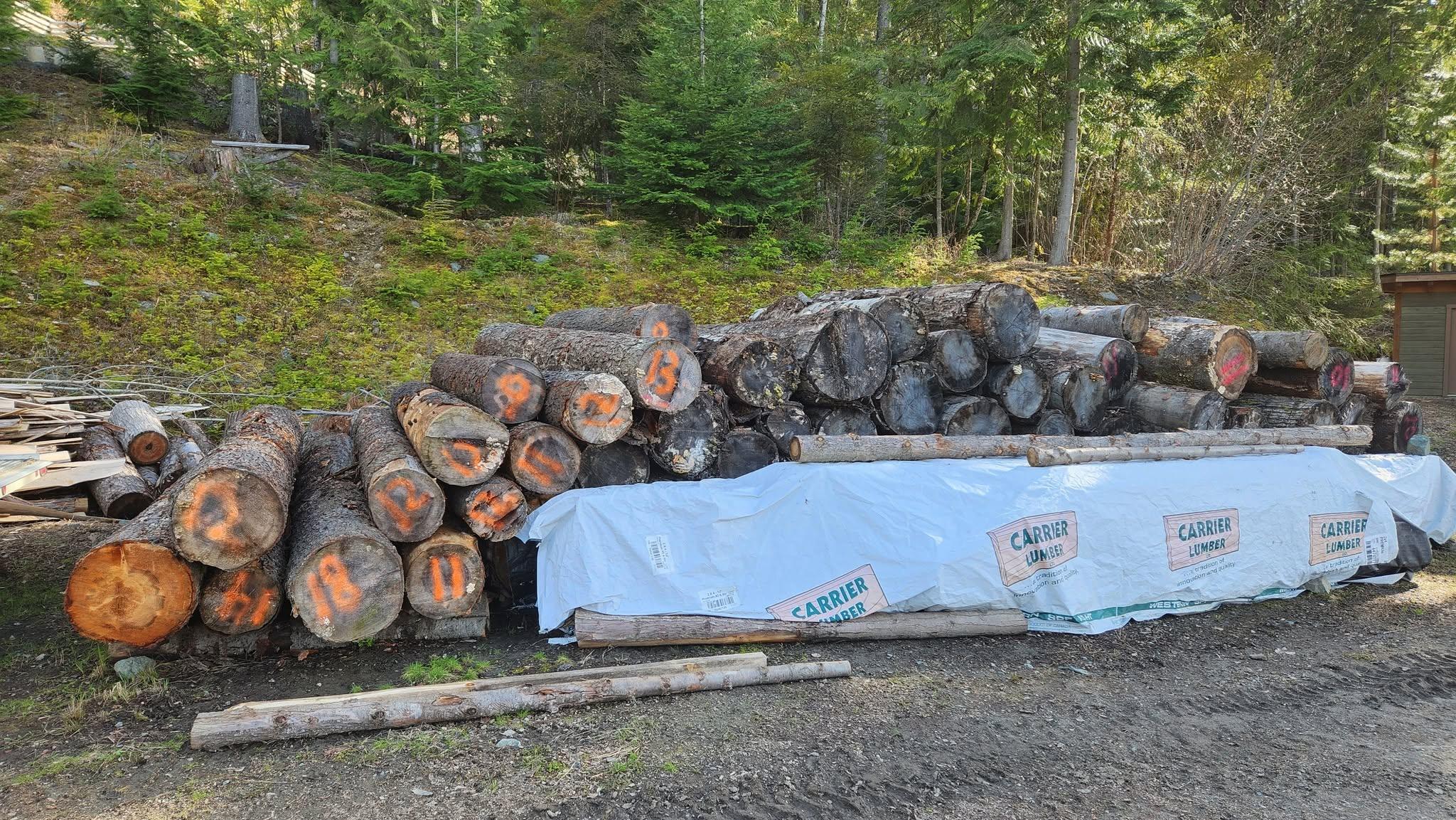
A good storage area should be accessible to your hauling equipment and portable sawmill while protecting the logs from avoidable moisture and heat.
Follow these basic storage practices:
-
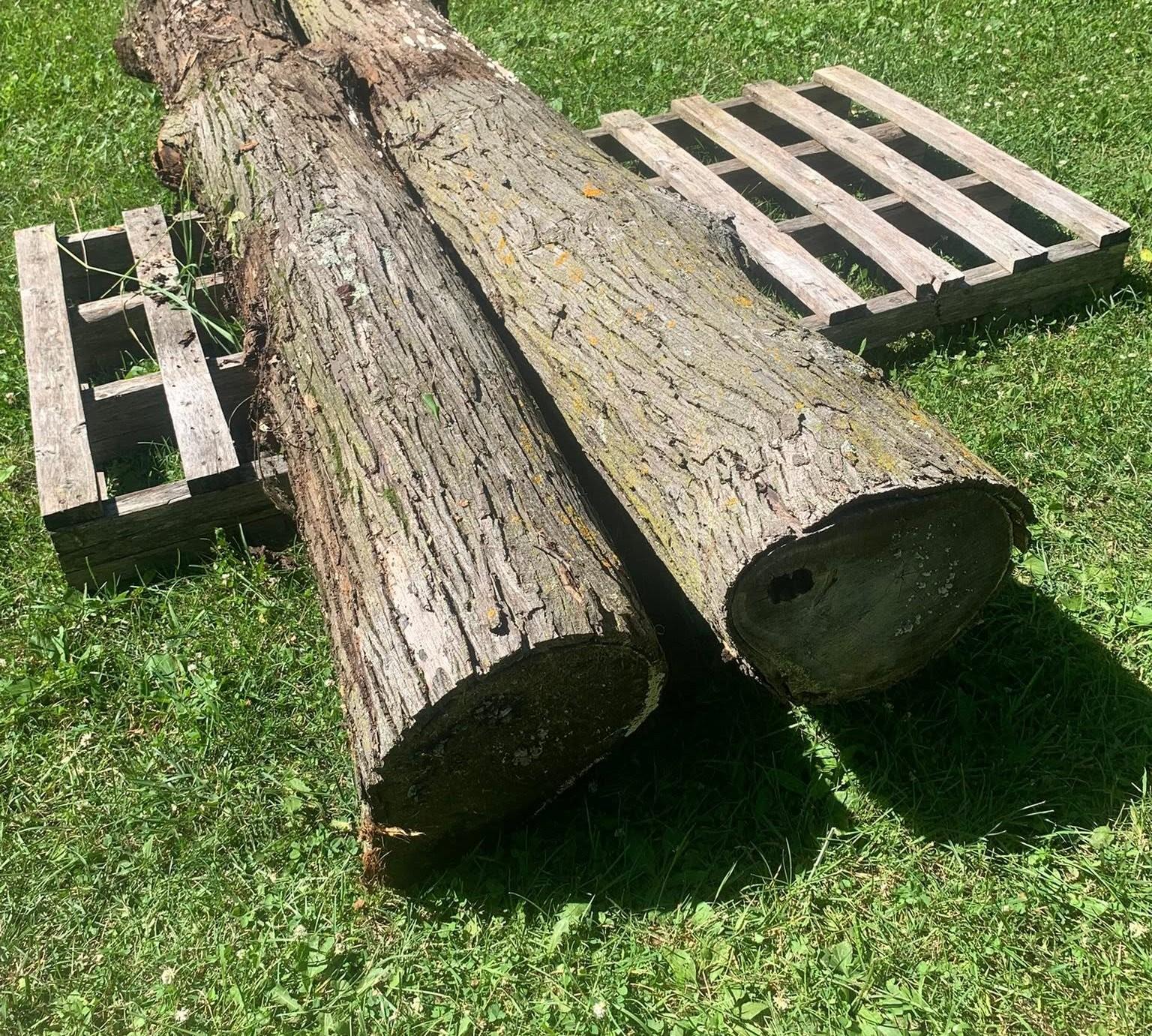
- Raise logs off the ground: Place them on stable runners, bunks or palettes to reduce soil contact and make them easier to handle later
- Choose a well-drained location: Avoid low areas where rainwater collects around the pile
- Provide shade: Shade can slow surface drying and reduce severe checking
- Protect the pile from excessive rain: A roof or top cover can help, but avoid wrapping the entire pile so tightly that moisture becomes trapped
- Keep the pile stable: Place larger logs at the bottom and use chocks where necessary to prevent rolling
- Maintain equipment access: Leave enough room for an ATV, tractor, trailer or log-loading system
- Inspect the logs regularly: Look for checking, staining, soft areas, insect holes, sawdust and loose bark
Avoid placing a valuable log directly on soil and leaving it surrounded by wet vegetation. Even if decay has not reached the heartwood, dirt and embedded grit can dull a sawmill blade when the log is eventually processed.
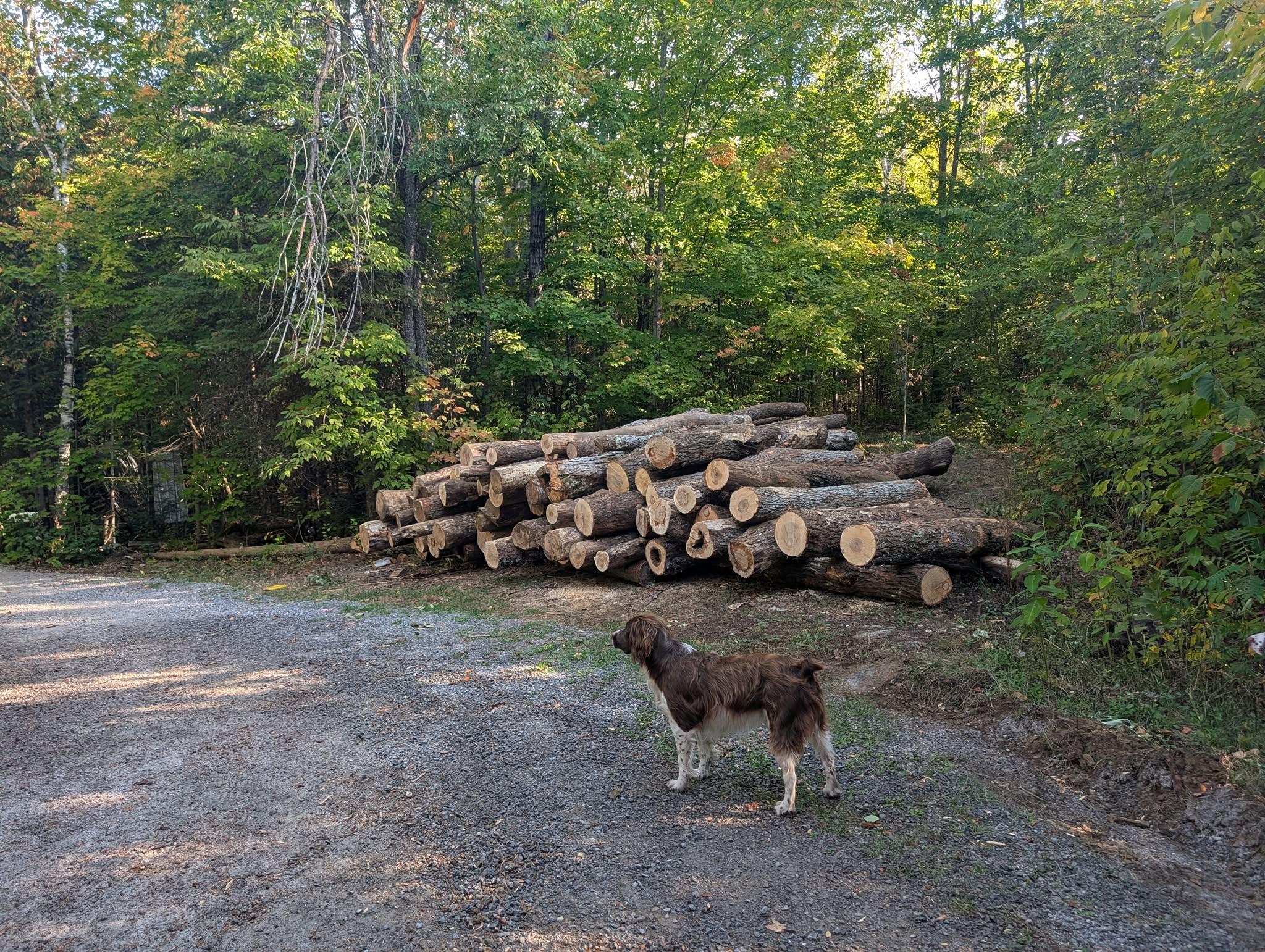
If you own an ATV log arch or off-road trailer for retrieving and transporting log, ensure your log pile or storage area has ample room around it for your equipment.
What type of storage should I build for my logs?
There are a variety of different structures you can build for storing your logs. Using milled lumber from a portable sawmill is an easy way to mill custom dimensions and create a unique structure that's catered to your needs.
A few examples of log storage methods include:
-
-
Raised Platform: Simple, easy to make and effective. Raise your log pile off the ground to reduce any moisture from seeping into the log. If constructed near your sawmill, you can easily make a log ramp for simple log traversal.
-
Log Shed: Take your raised platform and put a roof over it. This ensures rain or snow doesn't build up or seep between your logs, preventing moisture from coming from above as well as below. Without walls, air can continue to flow between your logs, letting them dry.
-
Kiln: Typically you want to mill your logs before putting them in a kiln. If logs dry too quickly, the ends may split or check. Because of this, kilns are best used for lumber that's already been milled.
-
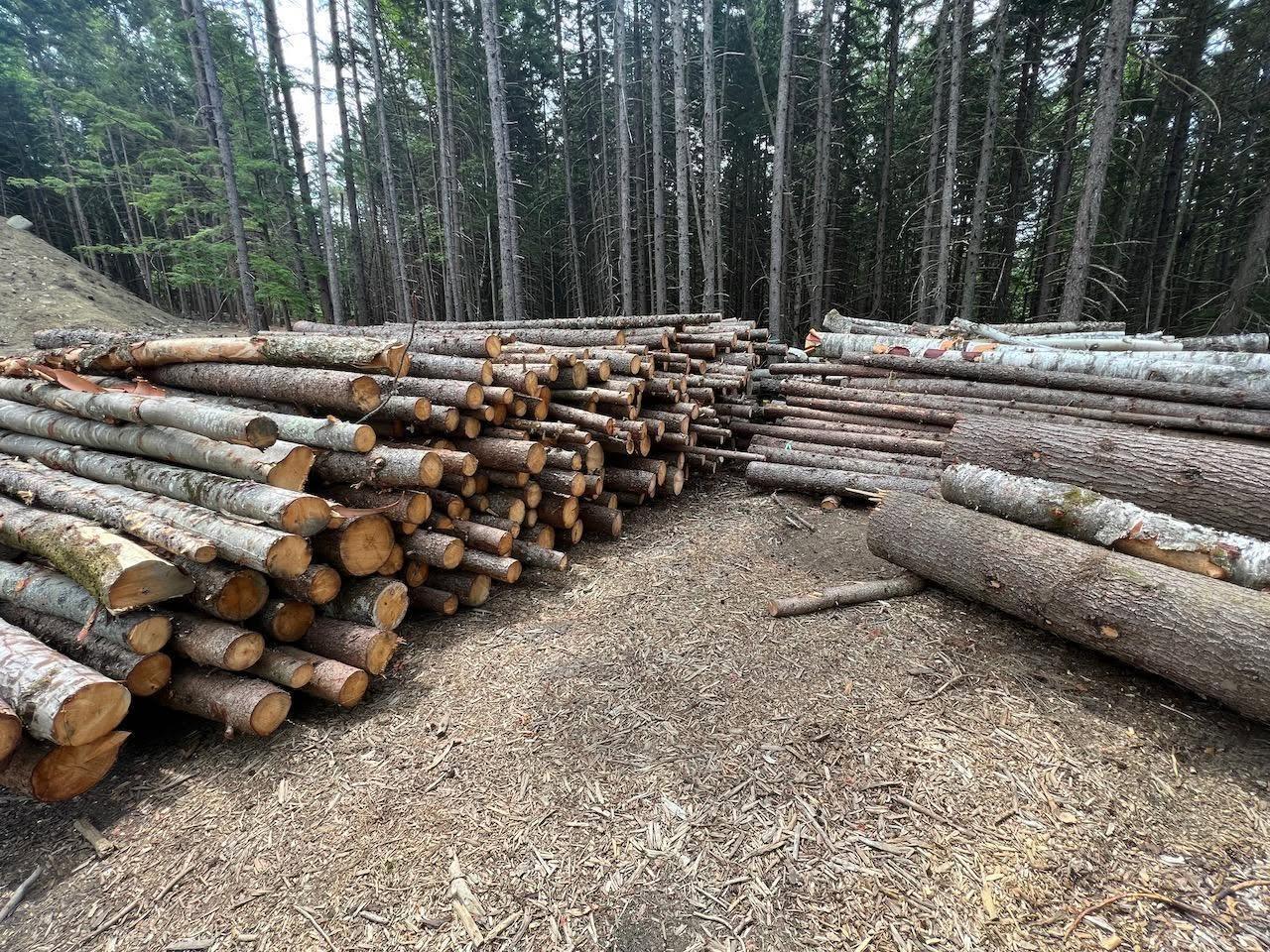
Proper stacking is important. Ensure logs have room for air to flow between them. Hot summer heat can speed up drying, but also introduces more moisture to the drying equation. Remember that if you want air dried or kiln dried lumber, it's best to mill your logs quickly as the drying process sets in faster than you think.
How should I store logs after milling?
Milled lumber dries faster than whole logs, since more grain is exposed to open air. There are a few options for optimizing the drying process though so your boards are ready to use faster.
-
-
Kiln Drying: Utilizing natural heat like sunlight or manufactured heat from space heaters, kilns reduce moisture by circulating hot air between boards.
-
Air Drying: Letting natural air flow between boards will help air dry them over time, if covered from rain and protected from ground moisture.
-
Always stack and sticker your boards so air can flow between them. If moisture is trapped between boards then it's possible for rot or mold to develop, ruining your boards.
Should You Seal Log Ends Before Milling?
End sealing can slow moisture loss through the exposed ends of a log and help reduce checking.
Apply a purpose-made green wood end sealer as soon as practical after the tree is cut. You can make this at home with DIY recipes or buy at the hardware store.
Cover the end grain completely and inspect the coating during storage, particularly if the log is exposed to weather.
End sealing is especially worth considering for:
-
-
Valuable hardwoods
-
Logs intended for live-edge slabs
-
-
-
Large logs that may remain in storage
-
Crotches, burls and figured sections
-
Logs cut during hot or dry conditions
-
An end coating cannot prevent decay, insect damage or every drying defect. It is one part of a broader storage plan that should also include shade, drainage, ground clearance and regular inspection.
What Signs Mean a Log Should Be Milled Soon?
Do not wait for a log to show advanced decay before moving it to the sawmill.
Prioritize milling when you notice:
-
-
End checks becoming longer or wider
-
Blue, grey or black staining
-
Bark beginning to loosen
-
-
-
Soft areas around the ends or beneath damaged bark
-
Visible fungal growth
-
A log with minor end checking may still yield useful lumber. You may need to trim the damaged end before milling or shorten the final boards. As damage progresses farther into the log, however, recoverable volume can decrease.
What Equipment Do You Need to Store and Mill Logs?
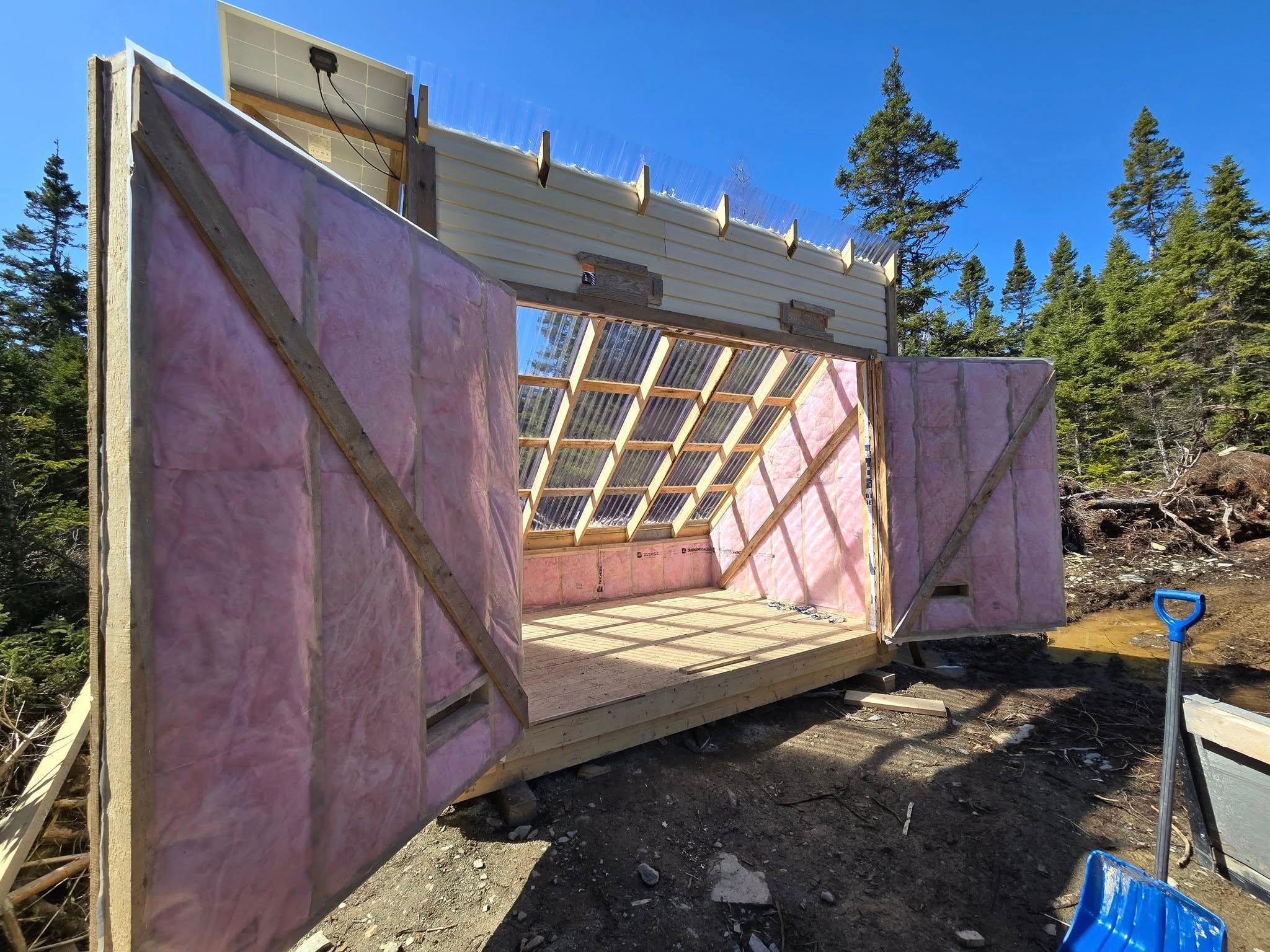
An efficient workflow should account for every stage between the stump and the lumber stack.
Helpful equipment includes:
-
-
Log-hauling equipment: A log arch like the Loglander 28, forestry winch or off-road trailer can help move timber to an accessible landing
-
Log-handling tools: Cant hooks, lifting tongs, choker chains and wedges help position and control logs
-
Stable log supports: Runners or bunks keep stored timber away from soil and standing water
-
End sealer: A green wood coating helps reduce rapid moisture loss through exposed end grain
-
Portable sawmill: Models like the HM126MAX converts logs into boards, slabs, beams and custom-sized lumber
-
Loading equipment: Ramps, a winch, tractor or loader can move logs onto the sawmill bed
-
Blade-maintenance equipment: A sharpener and tooth setter can help regular sawyers maintain bandsaw blades
-
Drying supplies: Stickers, a level stacking base, top protection and a moisture meter support proper lumber drying
-
Plan the storage pile around the equipment you own. A tightly packed landing may protect the logs but create extra work if there is no room to approach them with a tractor or align them with the mill.
Which Woodland Mills Portable Sawmill Is Best for Stored Logs?
The right Woodland Mills portable sawmill depends on the diameter and length of your logs, the lumber you want to produce and how frequently you expect to mill.
-
-
HM122: An approachable option for landowners processing smaller logs and completing occasional building or woodworking projects that use logs up to 22" in diameter
-
HM126MAX: Offers additional capacity for everyday sawyers producing boards, beams and general-purpose lumber using logs up to 26" wide
-
HM130MAX: Provides greater capacity for larger logs, wider boards and live-edge woodworking material for large logs up to 30" wide
-
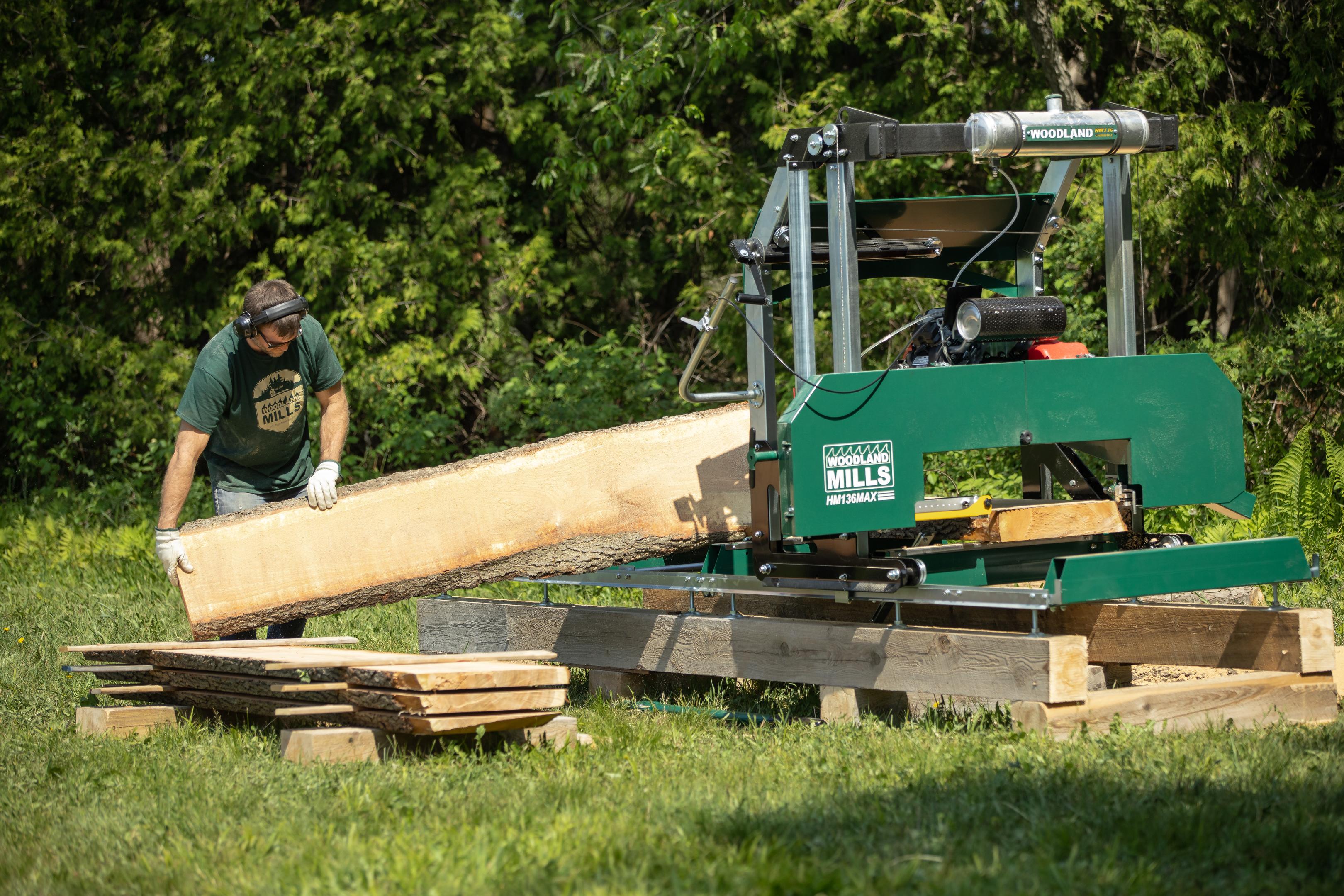
HM136MAX: Suits landowners and higher-volume sawyers who regularly handle substantial logs up to 36" wide and want greater cutting capacity
-
Consider the largest logs you realistically expect to mill, not only the average trees currently in your pile. Maximum log diameter and maximum cutting width are also different measurements, so compare both when selecting a sawmill. Size is also important, so consider the largest logs you plan on milling, and add an extra 20% to accommodate logs with splits, burls or other odd shapes.
What Are the Cost Considerations for Storing Logs?
Storing logs can be inexpensive, but and can range from simple solutions like easy log piles to more complicated and intricate storage facilities.
A basic storage setup may only require a well-drained landing, sturdy supports, a top cover and end sealer. Costs can increase if you need to clear and level a storage area, open up access for equipment or purchase log-handling equipment.
Consider the following expenses:
-
-
Storage preparation: Clearing vegetation, improving drainage and creating a stable surface for the log pile
-
Protection: Purchasing supports, covers, end sealer and proper drainage to prevent moisture buildup
-
Material handling: Using cant hooks, chains, winches, trailers or machinery to move and organize heavy logs
-
Delayed milling: Remember that any logs lost to rot, pests or moisture damage is a log you can't mill, wasting you time and money
-
The potential value of the timber should influence how much effort you put into storage. It may not make sense to build an elaborate landing for a few low-value logs, but better protection can be worthwhile for large hardwoods, figured timber or logs intended for live-edge slabs.
Why Do Sawyers Trust Woodland Mills Portable Sawmills?
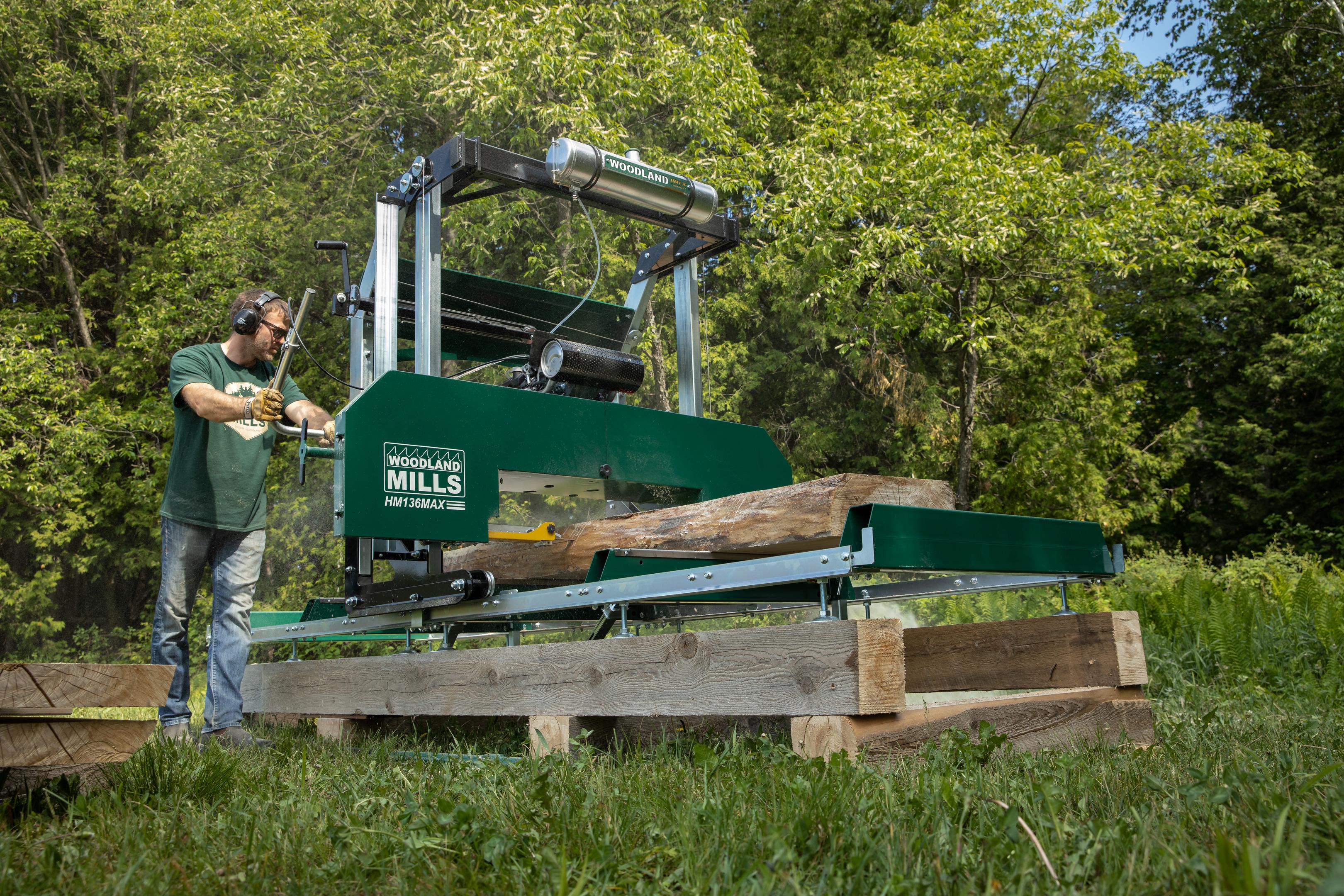
Woodland Mills designs portable sawmills for landowners who want to turn their own logs into useful lumber.
Customers regularly highlight rugged construction, thoughtful engineering and straightforward operation in their reviews. Engineered in Canada by lifelong professionals and manufactured to exact specifications, Woodland Mills portable sawmills are also supported by a three-year warranty, giving owners added confidence as they develop their milling setup.
Excellent customer service is available when help is needed with product questions, assembly, replacement parts or equipment maintenance. Owners can also exchange advice and project ideas through the Woodland Mills Product Owners and Community Facebook Group.
HM130MAX owner Jeff L. says he loves his sawmill, and "it’s been a great machine and has handled everything I’ve put through it. It’s powerful, easy to operate, and turns logs into beautiful lumber right on my property. I couldn’t be happier with it and would definitely recommend it to anyone looking for a solid sawmill."
This combination of capable equipment, warranty coverage, available support and an active owner community helps sawyers get more value from the timber on their land.
Key Takeaways: When should you mill your logs?
So when is the best time to mill your freshly cut logs into lumber? The ideal time for milling your logs is within a few days to a few weeks after felling.
While logs can sit for longer, after two to six months, you may have to worry about pests, decay, checking or other problems. Storage methods such as proper drainage and sealed ends can preserve logs for much longer. In some cases logs over 20 years old can still produce quality lumber.
Sawyers mill lumber because they want the valuable resources of their land. When logs dry properly they can be preserved for some time, but more often than not you will want to mill your logs sooner rather than later.
FAQs: Storing Logs Before Milling
Q: Is it better to mill logs immediately after cutting?
Yes, particularly when appearance and lumber value matter. Milling promptly reduces the time available for checking, staining, insect damage and decay to develop. Proper storage can provide additional flexibility, but it does not stop deterioration permanently.
Q: Can logs sit through the winter before milling?
Logs can often be stored more successfully during cold weather because insect and fungal activity generally slows. Raise them off wet ground, seal valuable ends and inspect them as temperatures rise. Logs carried into warm spring weather should be prioritized for milling.
Q: Can a stained or checked log still be milled?
Often, yes. Minor end checks may be removed by trimming the log, while some discoloration may be cosmetic, and in some cases even favorable; with cedar, some sawyers prefer to let it season more fully before sawing. Unique spalting and discoloration can create for one-of-a-kind boards, though managing this process can be incredibly difficult. Spalted lumber can sometimes be a nice surprise rather than the result of a manufactured process.
The date of a tree’s fall and how long it has been laying on the ground can affect whether it is still suitable for sawing. Deep splits, widespread insect damage and soft or decayed wood can reduce lumber recovery. Inspect questionable logs carefully and use appropriate precautions when handling or milling compromised material.
SHOP SAWMILLS
HM122
An entry-level sawmill packed with impressive features at a budget-friendly price. Designed for hobby sawyers or woodworkers looking for an economical solution to mill lumber.
HM126MAX
The original Woodland Mills portable sawmill. Trusted by hobbyists for years, now featuring a FULLCUT® sawhead to maximize usable cut width.
HM130MAX®
A wide capacity sawmill that produces stunning high-value live-edge boards. Loaded with features including our FULLCUT® sawhead, RapidChange® blade system, auto lube, and more.
HM136MAX™
The ultimate solution for cutting wide live edge slabs, perfect for tabletops, counters, benches, and more. Our unique FULLCUT® sawhead design ensures your logs' widest assets are left intact.
Join the Woodland Mills Community Facebook group. Search advice and insights from over 65,000 knowledgeable, supportive members.
- Pre-purchase considerations
- Sawmill set-up support
- Project inspiration photos and videos
- Community troubleshooting support