


Make Your Own Mulch with a Wood Chipper
Want to use wood chip mulch to elevate your garden and do your own landscaping? Here's how:
Mulch is a useful tool in your garden, able to suppress weeds, retain moisture in the soil and improve the overall health of your land.
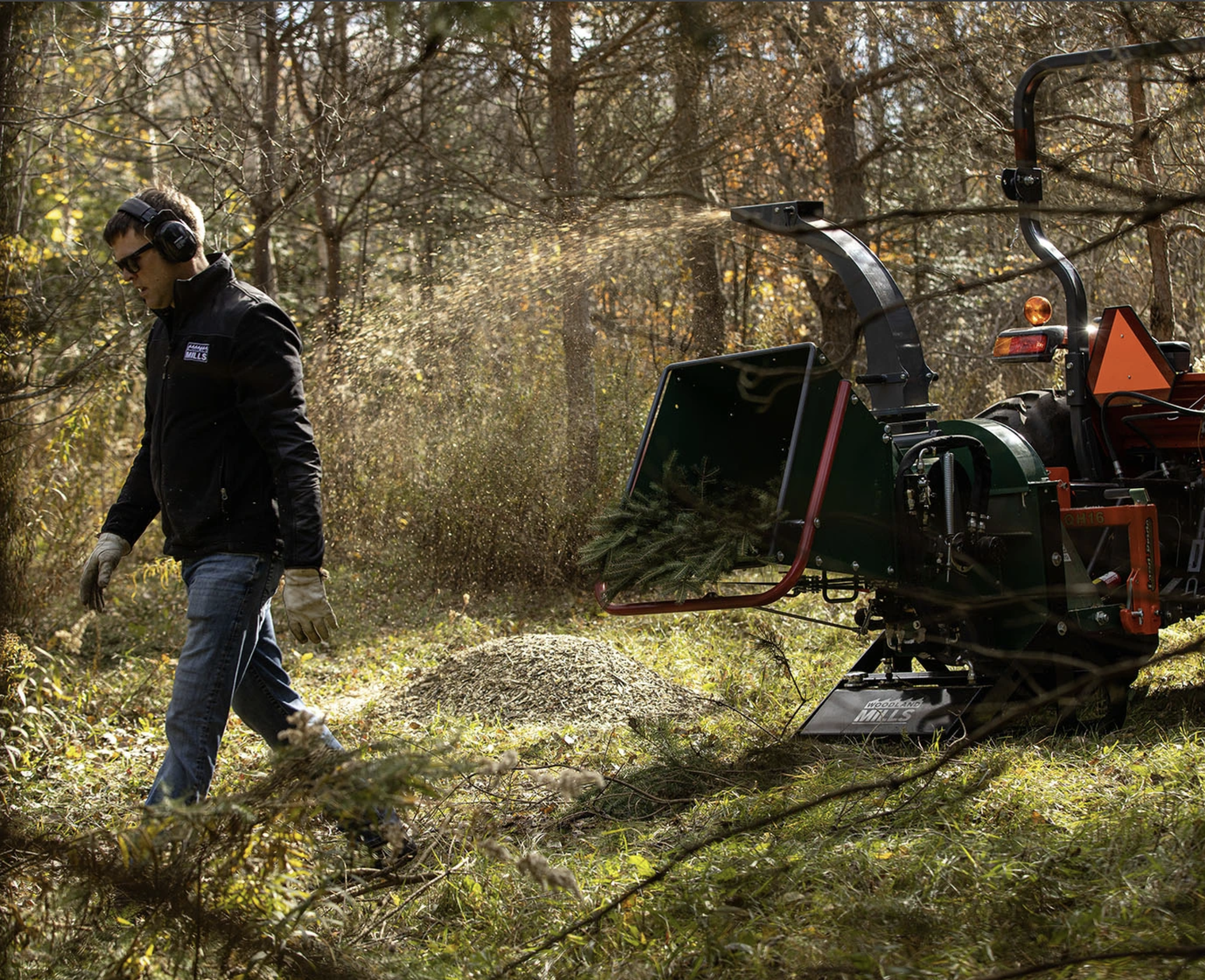
So it’s no wonder you might want to make your own wood mulch. Thankfully a wood chipper is a great tool to making your own bark and wood mulch and turning your leftover yard waste into useful garden mulch.
For landowners interested in improving their garden setup and reusing their wood chipper waste, let’s go over how to make mulch to aid in your gardening journey.

What is mulch?
Mulch is an incredibly useful material that comes in many different varieties. Some different types of mulch include:
-
-
Organic Mulch: This type of mulch is often made from yard waste like grass clippings and wood chips. Organic mulch breaks down over time and adds to the soil base. A great mulch, such as leaf mulch, wood mulch, or pine needles, is one that retains moisture, suppresses weeds, and improves soil health, making it ideal for gardening. It can also be aesthetically pleasing, especially if you use a bark mulch and spread it over your garden beds. This is very easy to make if you own a wood chipper.
-
Sand/Rock Mulch: While organic mulch is great for your garden these mulches are better for pathways, patios and other footpaths. Place sand between your patio stones or as soft padding in a playground. River stones and pebbles also allow drainage, allowing water to run through them and away from your home.
-
Synthetic Mulch: This covers materials like landscaping fabric or rubber pellets. These are useful in cutting off sunlight and suppressing weeds, but do not decay. Some materials also tend to leech into the environment so be aware of that before using them.
-

Common mulch materials
Organic mulches are often made from leftover yard waste and other mulch materials. Some of those include:
-
-
Freshly chipped wood
-
Grass clippings
-
Leaf mulch mixtures
-
Rake or leaf blower piles
-
Compost piles
-
You can also collect fallen branches and collect grass clippings from your yard to use as mulch. Tools like hedge trimmers, lawnmower blades, and an electric leaf shredder can help process yard waste into mulch-ready pieces. Shredded paper can be an excellent additions to your mulch mix, helping with moisture retention and soil protection.
Bark mulch is often sourced from lumber mills, but making your own from yard waste is a more sustainable option. Pine mulch is especially beneficial for acid loving plants such as blueberries and azaleas. This is a good way to reuse tree waste if you debark your logs before milling them on a portable sawmill.
Putting a healthy thin layer of mulch over your garden can also provide benefits like restoring nutrients to the soil depending on what ingredients in it. Look at the makeup of your wood and see how it will impact your soil.

Why should I use mulch?
Mulch has a number of benefits for your garden, especially organic compounds like wood chip mulch. Some of the benefits of mulch include:
-
-
Gardens retain moisture better with a layer of mulch
-
Better heat retention for better flower bed growth
-
Helps keep plant roots cool during hot weather
-
Prevents weed growth and reduces the need for manual weeding
-
Reuses organic matter from your property
-
Suppress weed growth
-
Applying mulch properly can prevent weed growth and avoid creating unwanted competition for your garden plants. Bark and wood mulch are especially suitable for established gardens and mature plants, while wood chip mulch is also beneficial for vegetable gardens.
You want to use mulch to support the growth of your garden plants. More nutrient rich mulches will help improve the soil quality and assist in the growth of your plants. A mulch made of a healthy mix of soft and hard materials like wood chips and pine needles mean it will decay over time, adding to the soil base while still offering protective properties.

Why Is It Important to Reuse Wood Chipper and Stump Grinder Waste?
Branches, chips and stump grindings are not automatically waste. They are natural resources that have already been collected and processed.
Reusing suitable material can reduce the amount that must be burned, hauled away or delivered to a disposal site, saving you money. It can also reduce the need to purchase and transport mulch from somewhere else.
Reusing this material closes the loop on tree maintenance. A branch that once needed to be removed can become a path or protective mulch layer, while stump grindings can be kept on the property instead of treated as an unwanted by-product. If you own equipment like a wood chipper or stump grinder, reusing materials helps keep costs low, reduces environmental impact and improves your property's self-sustainability.
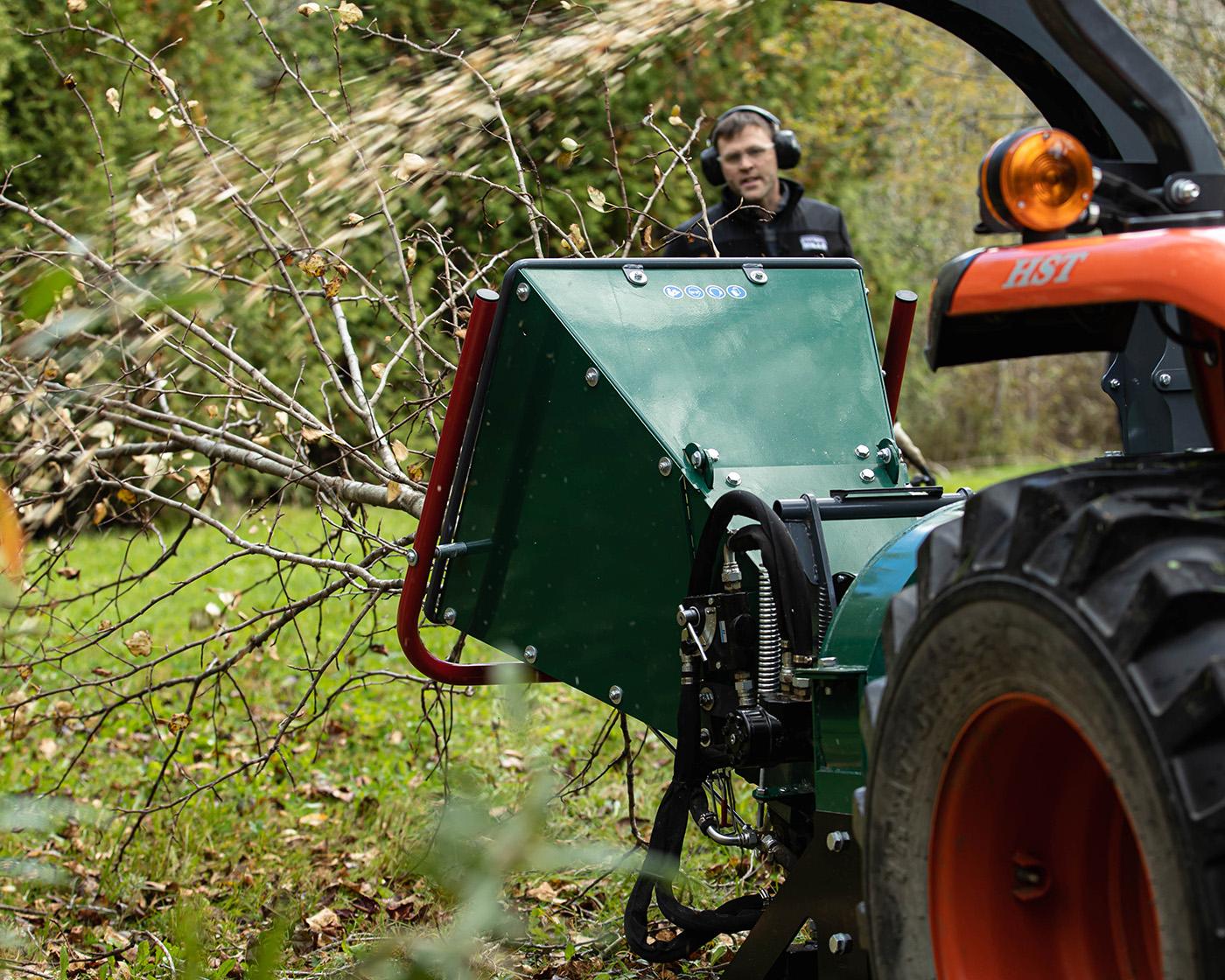
How to make your own mulch
So what’s the recipe for creating your own mulch.
Mulch can be made from a number of materials. After preparing your garden bed, adding mulch is essential to help retain moisture, suppress weeds, and promote healthy plant growth. Let’s break down common materials and how to add them to your mulch mix.
-
-
Leaf Mulch: When it comes to grass clippings and leaf piles, the best way to add this to your mulch mix is to throw it in entirely. Let your leaf piles sit for a bit to draw out some of the moisture, then add them to your mulch compound. This material will decay quickly, restoring the soil base with healthy, fresh organic matter. Fallen pine needles, leaves and pine straw also make a great soft mulch material. Leafy trees create a lot of unwanted material that you can repurpose.
-
Wood Chip Mulch: Want to turn your off-cuts, fallen tree branches, tree trimmings and leftover wood material into mulch? Toss everything in your wood chipper and create a tidy wood chip pile. Then mix it into your mulch pile, carefully ensuring a healthy consistency. You don’t want too many wood chips, as wood chips soak up nitrogen, but do add carbon and other useful nutrients back into the soil.
-
Bark Mulch: Want something aesthetic that will help restore and support your soil but also looks pleasing in your garden as topsoil? If you have logs lying around that you plan on milling, chipping or disposing of, just scrape off the tree bark and feed it to your wood chipper. The result is a pile of bark mulch that looks appealing while contributing to the soil base, keeping the soil warm and protecting it from weeds.
-
After spreading mulch in your garden bed, you may have extra mulch left over. Store extra mulch in ventilated containers or bags with air holes to allow proper airflow and prevent fermentation. Proper ventilation is important because, without it, stored mulch can release high pH toxins that may harm your plants. Extra mulch can be reused or combined with other mulch materials for ongoing garden maintenance.

Preparing Materials for Wood Chipping
Proper preparation of your materials is key to efficient and safe mulching. Start by gathering fallen branches, tree trimmings, and other woody debris from your yard.
Remove any excess leaves, twigs, or non-woody material that could clog your wood chipper. Sorting branches by size will make feeding them into the chipper much easier and help prevent jams.
Ensure the materials you're fitting into your wood chipper fits with your machine's capacity. This not only protects your equipment but also ensures a consistent wood chip mulch texture. Always wear protective gear (safety glasses and gloves are a must) when handling branches and operating the wood chipper. By preparing your materials carefully, you’ll create a cleaner, more effective mulch that’s perfect for your garden beds and flower beds.
Applying Mulch in Your Garden
Once you’ve made your wood chip mulch, it’s time to put it to work in your garden. Begin by clearing away any weeds or debris from the area where you’ll be applying mulch.
For vegetable gardens and flower beds, spread a thin layer—about 2 to 3 inches—of wood chip mulch to help suppress weeds and retain moisture. In established garden beds, you can apply a thicker layer, up to 4 to 6 inches, for extra insulation and protection.
When mulching around trees or shrubs, keep the mulch a few inches away from the trunk to prevent rot and discourage pests.
Use a rake to distribute the mulch evenly, creating a uniform layer that looks tidy and functions well. Properly applying mulch not only helps reduce weed growth and retain moisture but also keeps soil temperatures stable, giving your plants the best environment to thrive.
What other yard and garden waste can I repurpose?
Mulch can be a versatile garden resource, mostly because anything can become mulch. Any organic waste material can be used to create mulch, from off-cuts from a portable sawmill to fresh, green leaves from pruned branches.
Here are some tips for DIY mulch production using different organic materials:
-
-
Set aside any organic tree material or plant foliage, such as tree branches, prunings, grass clippings, decaying plant matter, etc
-
Have dedicated piles for soft organic mulch, such as food compost or leaves, vs a hard mulch pile with wood chips or stump grinding debris, since these age at different rates
-
Ensure you utilize your oldest mulch first, either with a compost box that fills at the top and empties at the bottom, or by staggering use of mulch piles by prioritizing using the most mature mulches
-
This method ensures all organic waste from your land is put to use, to create a cycle of sustainability for your property.
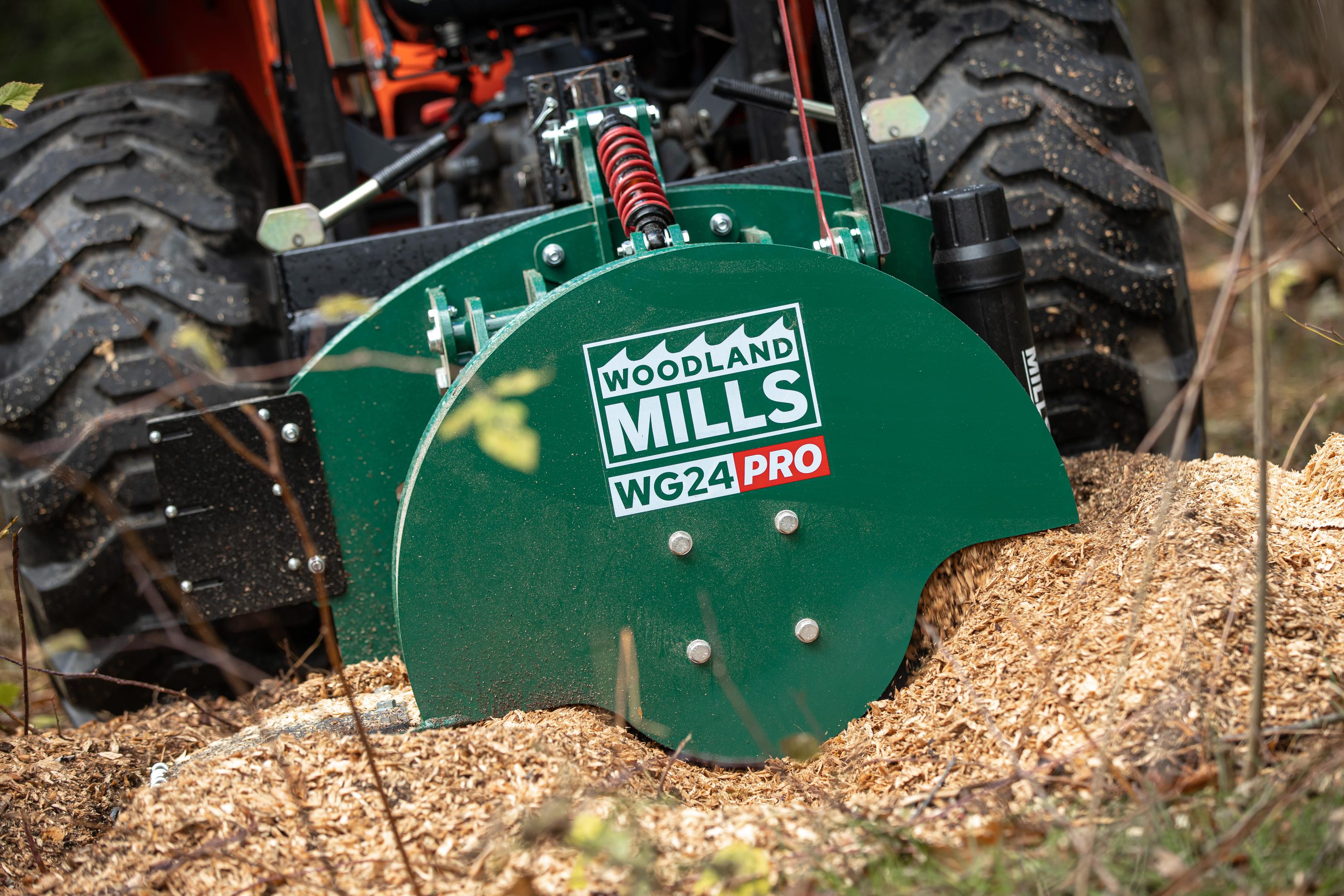
How Can an ATV Trailer Improve a Mulch and Gardening Workflow?
A large pile of wood chips is useful only if you can move it where it is needed.
An off-road trailer can be positioned near the wood chipper’s discharge chute so the chips collect directly in the box. Instead of creating a pile on the ground, shoveling it into a trailer and unloading it again, you remove an entire handling step.
The Pathlander provides a compact option for hauling and dumping mulch, compost, soil and garden supplies. The higher-capacity Multilander can support larger landscaping and property-maintenance jobs while also providing side and rear loading options for logs and other material. Consider the size of your trails and where you plan on towing a trailer, as well as the capacity you need for your cargo.
What Other Forestry Equipment Can Help With Mulch and Gardening Projects?
Making mulch is only one part of the job. You also need to clear the material, process it and move the finished chips or grindings to garden beds, trails and landscaping areas.
A few different pieces of Woodland Mills equipment can support that workflow:
-
-
Wood Chippers: A Woodland Mills wood chipper turns branches, tree trimmings and other suitable woody debris into chips. Choose a chipper according to your tractor’s PTO horsepower, the diameter of the branches you regularly process and the type of material on your property. Woodland Mills also offers gas-powered models like the TFG55 GAS for landowners who do not have a compatible tractor.
-
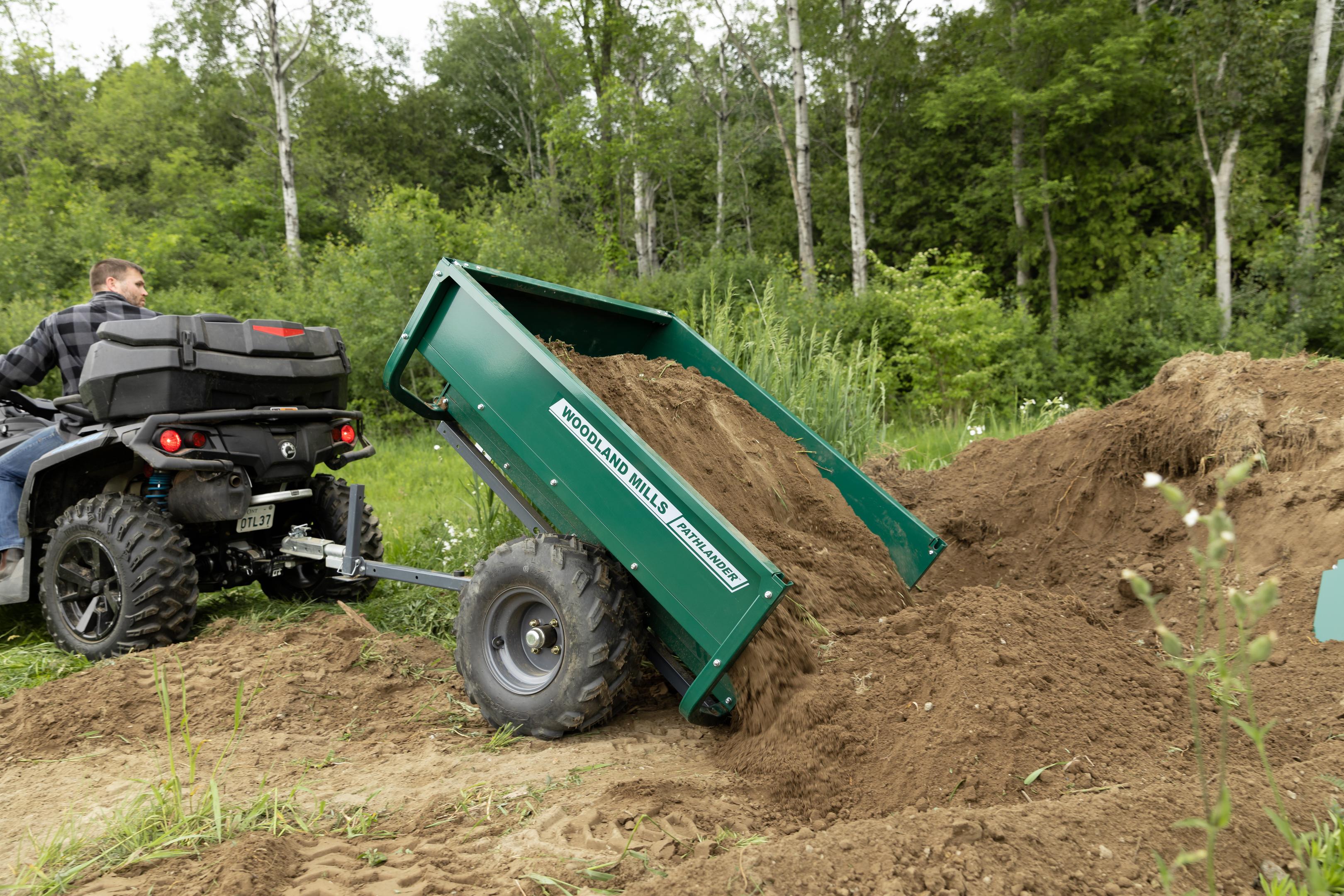
Stump Grinders: After a tree has been removed, a Woodland Mills stump grinder such as the WG24 PRO can reduce the remaining stump and produce grindings that may be reused around the property. Match any PTO stump grinder to your tractor’s PTO horsepower, three-point hitch and lift capacity before comparing grinding depth or flywheel size.
-
ATV Trailers: Sometimes the place you produce mulch is different from where you want to use it. The Pathlander and Multilander can move wood chips, stump grindings, compost, soil and gardening supplies over off-road trails. Their dumping capability also helps reduce the amount of unloading that has to be done by hand.
-
These pieces of equipment handle different stages of the same property-maintenance process. The chipper reduces branches, the stump grinder addresses what remains below the trunk, and the trailer moves the resulting material to its next use.
What Equipment Setup Is Best for Making and Moving Mulch?
The best setup depends on what equipment you already own and how much material you process.
If you own a tractor, start with its PTO horsepower and use that to determine which Woodland Mills PTO wood chippers and stump grinders are compatible with your setup.
Consider the following questions:
-
-
What diameter branches do I process most often?
-
Am I mainly chipping dry limbs, or do I also handle lightweight, leafy and coniferous material?
-
-
-
How far will the mulch need to travel?
-
Do I already own a compatible tractor, ATV or UTV?
-
Will the equipment also support trail maintenance, storm cleanup or land clearing?
-
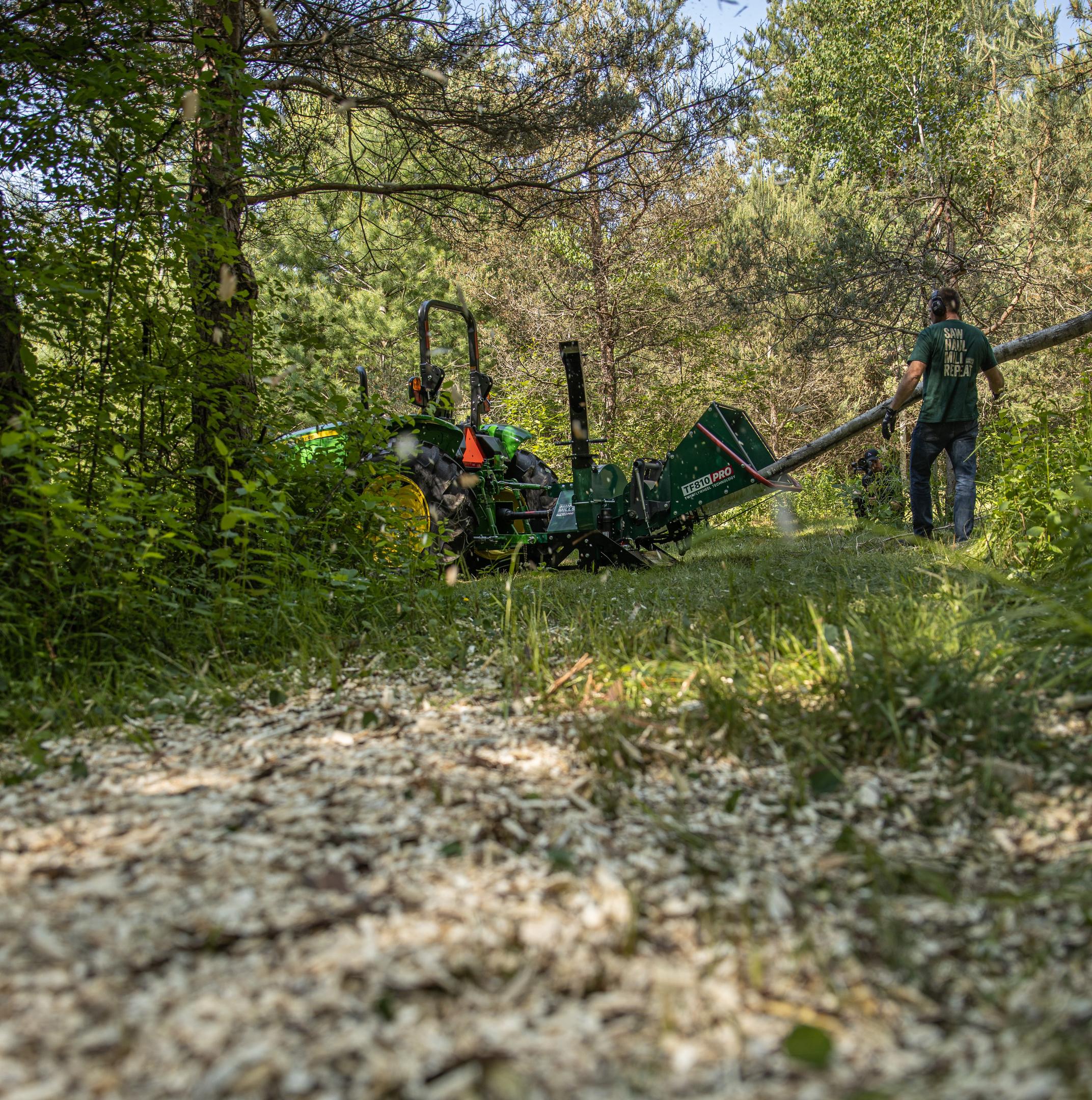
Landowners who regularly process wet, light or leafy material may want to consider a Woodland Mills PRO Series chipper with Twin Flywheel technology such as the TF810 PRO. Its second flywheel is dedicated to increasing airflow inside the housing, helping move lightweight material through the chip stream.
Once you have a way of converting your organic materials into mulch, consider how you want to move your mulch around your property. It may be fine if you're doing your chipping and aging your mulches nearby your garden, but if you need to move it across your property, an off-road ATV trailer like the Multilander may be an important tool for moving mulch or other materials using an ATV, UTV or tractor.
What Are the Cost Considerations for Mulch-Making Equipment?
Purchasing equipment requires a larger upfront investment than buying a few bags of mulch. The comparison changes, however, when tree maintenance, storm cleanup, gardening and land clearing are recurring jobs.
Consider the complete cost of your current process:
-
-
How much do you spend on bagged or bulk mulch each year?
-
What does it cost to rent a chipper or stump grinder?
-
-
-
Do you pay contractors to remove branches or grind stumps?
-
-
-
How much time is spent loading, hauling and unloading material?
-
Can the equipment perform other jobs around the property?
-
Ownership tends to make more sense when suitable material is produced regularly and the equipment will be used for several property-maintenance tasks. Renting or hiring a contractor may remain the better choice for a one-time cleanup or a small number of stumps.
Existing equipment matters too. A PTO chipper or stump grinder uses your tractor as its power source, which means there is no separate engine on the attachment to fuel and maintain. However, the tractor must be available whenever the attachment is being used. A gas-powered chipper has its own engine and can operate independently, but adds another power source to maintain.
Why Do Landowners Trust Woodland Mills for Property Maintenance Equipment?
Woodland Mills designs equipment for landowners who want to manage more of their property work themselves.
The product lineup allows customers to choose equipment around the machines they already own. PTO wood chippers and stump grinders are available for different tractor horsepower ranges, while gas-powered chippers offer an option for customers without a compatible tractor. High quality off-road trailers help connect tree cleanup with gardening, trail work and material hauling.
Woodland Mills makes it easy to select compatible equipment, easy-to-read instructions make assembling a new machine effortless, and its simple to order replacement parts or maintain it over time. Woodland Mills product owners regularly express that the renowned customer service goes above and beyond what other forestry equipment manufacturers offer.
To see the ideas, support and community built up by existing Woodland Mills equipment owners, check out the Woodland Mills Product Owners and Community Facebook group, which gives landowners access to a large community sharing equipment setups, maintenance experience, gardening ideas and property projects.
SHOP SAWMILLS
HM122
An entry-level sawmill packed with impressive features at a budget-friendly price. Designed for hobby sawyers or woodworkers looking for an economical solution to mill lumber.
HM126MAX
The original Woodland Mills portable sawmill. Trusted by hobbyists for years, now featuring a FULLCUT® sawhead to maximize usable cut width.
HM130MAX®
A wide capacity sawmill that produces stunning high-value live-edge boards. Loaded with features including our FULLCUT® sawhead, RapidChange® blade system, auto lube, and more.
HM136MAX™
The ultimate solution for cutting wide live edge slabs, perfect for tabletops, counters, benches, and more. Our unique FULLCUT® sawhead design ensures your logs' widest assets are left intact.
Join the Woodland Mills Community Facebook group. Search advice and insights from over 65,000 knowledgeable, supportive members.
- Pre-purchase considerations
- Sawmill set-up support
- Project inspiration photos and videos
- Community troubleshooting support