


Make Your Own Wood Furniture – A Starter Guide
Want to make your own custom furniture like coffee tables or benches? Here's how to get started
Looking to make your own furniture at home, either in a workshop, garage or even in your basement with basic tools?
Anyone can become a woodworker or carpenter and there's a broad range of projects you can tackle with various skill levels, from building furniture like tables and chairs to constructing your own kitchen.
In this guide we'll get into the basics of how to get started making furniture, either from solid wood like milled or dimensional lumber, or with scrap wood, for beginner woodworkers looking to start their journeys. This guide will help readers to minimize mistakes and ease their adventures to becoming master woodworkers.
So what do you need to know to get started making your own furniture? Let;s get into it:
Why do you want to become a woodworker?
People take up woodworking as a hobby for various reasons, maybe because a parent or someone they grew up with did it, or because they're wanting to make their own furniture or things around the house that they can't buy from the store.
Regardless, whether you want to start small or go big, there's plenty of reasons why you might want to try it out. Maybe your bed frame broke and you want the knowledge of how to fix it, or you've acquired a unique slab of wood and want to try making a table out of it?
There's no limit to the possibilities of what you can accomplish as a woodworker, from making your own custom kitchen to designing and building your own cabin or home, but let's start with small projects and build up from there.
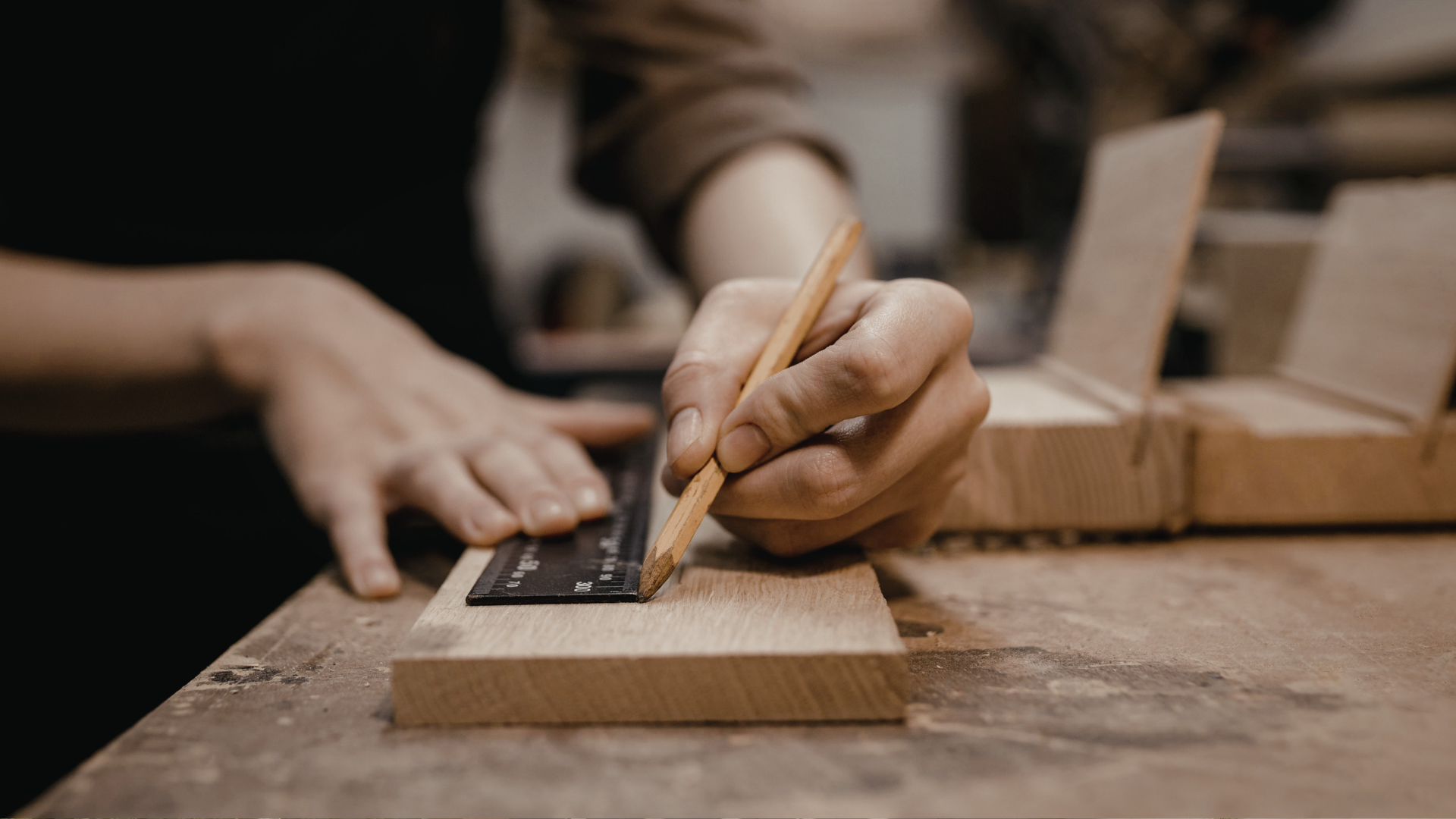
What type of furniture do people make for themselves?
Woodworkers craft all kinds of furniture for themselves at home, depending on your skill level. Here are some common starter projects for those at various stages of their woodworking careers:
Beginners
-
-
Cutting Boards
-
Charcuterie Boards
-
Basic Tables
-
Benches
-
Intermediate
-
-
Coffee Tables
-
Dining Room Tables
-
Chairs
-
Patio Furniture
-
Advanced
-
-
Live-Edge Tables and Desks
-
Adirondack Chairs
-
Tables and Chairs with Complicated Joinery
-
Custom Cabinetry
-
What tools should I have if I want to make my own furniture?
There's no shortage to the amount of tools you can have, and getting started as a woodworker can be intimidating. There's a reason why career carpenters have massive workshops filled with tools. Here's a range of common hand tools and power tools you may want as your skills grow.
Starting Tools
-
-
Skill Saw
-
Power Drill with Various Drill Bits
-
Wood Glue
-
Basic Varnishes and Finishes
-
Sanding Block
-
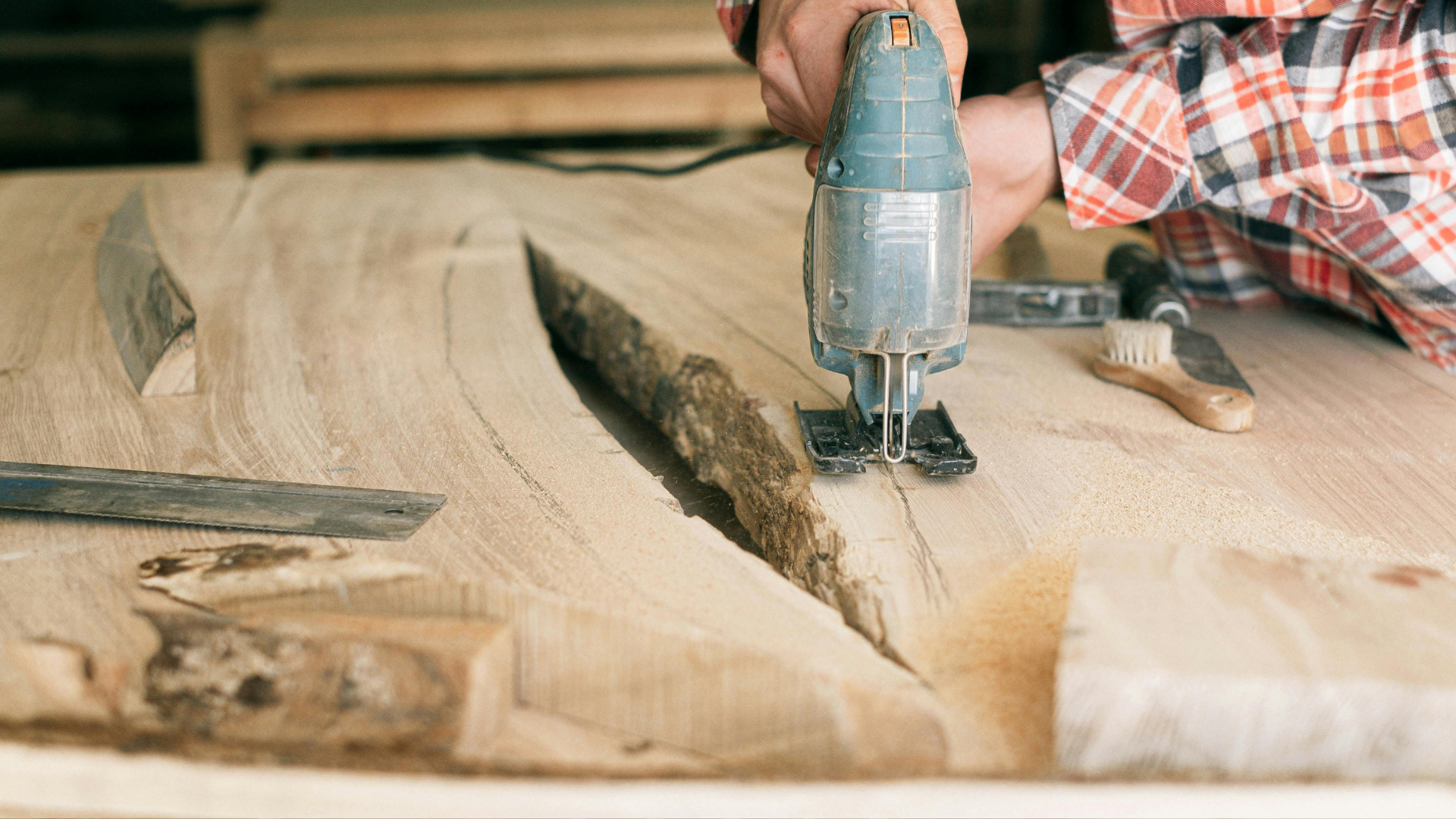
Intermediate Tools
-
-
Table Saw
-
Circular Saw
-
Adjustable Saw Horses
-
Planer
-
Belt Sander
-
Advanced Tools for Those Working with Milled Lumber
-
-
Portable Sawmill like the HM126
-
An Edger
-
As you grow and expand your needs you should add more tools naturally. Work with what you have and add more as you notice gaps in your arsenal, or find that a new piece of equipment would speed up your processes. If buying new tools is expensive, keep an eye our at garage sales or on Facebook Marketplace for potential deals.
What tips or advice should I follow when building my furniture projects?
Want to know some tips for your first project? Here's some easy advice that should help you when you're just getting started:
-
-
Ensure Your Work is Straight and Level: Check for square during assembly to avoid wobbly furniture.
-
Drill Pilot Holes: Avoid cracked lumber and create strong joints. Use wood glue and fasteners like pocket-hole screws to connect wood pieces together.
-
Try Different Joint Techniques: Don't just use screws, strong joints like mortise and tenon, dovetail and lap joints distribute weight and minimize wear and tear, and are commonly used in durable furniture construction
-
Create Tight Bonds: Clamp pieces together tightly while driving screws or when gluing to ensure strong bonds.
-
Strong Sanding: Sanding is essential for achieving smooth surfaces on furniture, enhancing the aesthetics and preventing splinters.
-
What wood species should I use when making furniture?
Almost any wood species can be used in woodworking, but here are common features to consider:
Hardwood vs Softwood
-
-
Hardwoods: Species like cedar or red oak are more dense and harder to cut, but are also more durable. These materials are commonly used for flooring or furniture intended to last a very long time, like wardrobes or antique pieces.
-
Softwoods: Species like pine are easier to cut and lighter to work with. They also tend to bend and flex easier, great for projects which settle over time, like framed structures. This is commonly used for tables and chairs, or other common dimensional lumber projects.
-
Generally as a beginner you want to use softwoods like pine for cheap practice and hardwoods like oak for durable, long term projects.
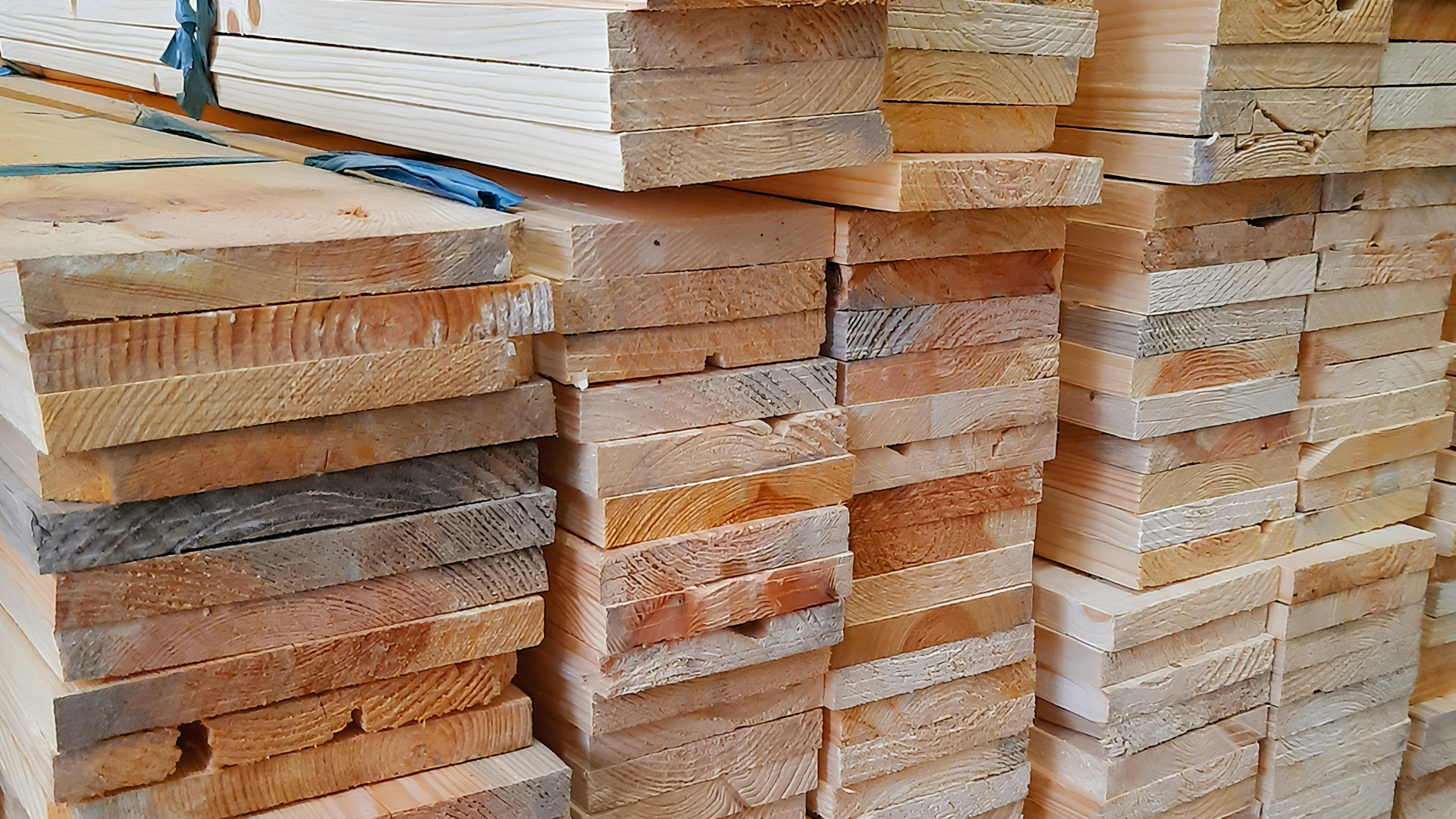
There are also other wood products commonly used in furniture building:
-
-
Plywood: Made of various thin layers of wood glued together to form a tight bond, plywood is used in a variety of projects, from home building to custom desks and dressers.
-
MDF: Short for Medium-Density Fiberboard, this product is made from residual wood fibres and is an inexpensive material commonly used in cheaper furniture. It's great for lighter projects but lacks durability.
-
Particle Board: Commonly confused with MDF, this product is made from sawdust and wood particles bonded together. This light, inexpensive form of sheeting is used in cheaper furniture builds and isn't known for its durability.
-
Common wood species found at home centres for furniture building include pine, red oak and poplar, maple and aspen, which can effectively be used for various projects. Before starting a project always inspect the boards for warping, knots or splits, as the best and worst wood can often be priced the same.
Take a look at what materials your project requires, especially if you're on a budget. When you're beginning, use less expensive materials so mistakes are more forgiving.
How should I finish my furniture projects?
Finishing touches are very important because it's what helps your project shine and stand out. During assembly you may want to sand pieces as you go, since it's often easier to sand individual boards before assembling the entire piece.
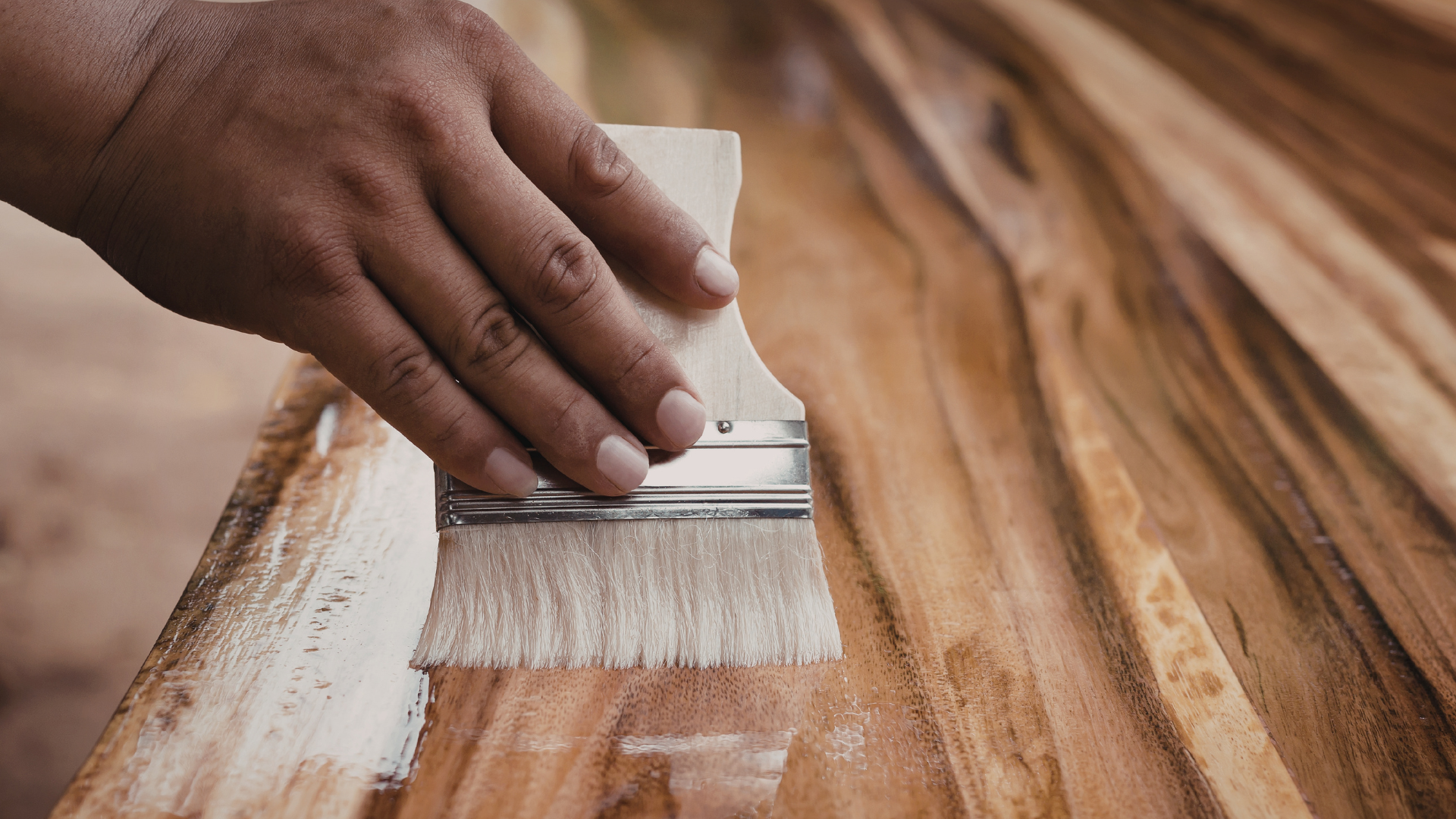
Here are some finishing tips to make your project look amazing:
-
-
Fill imperfections with wood putty or another filler to create a smooth, finished look to the final piece.
-
Progressively sand using finer sandpaper grits, going from grits like 80 to 120, 180 and 220 to create a smoother finish.
-
Film finishes like varnish or spar varnish maintain the natural look of the wood, while latex or oil paints create a great protective coat around the project.
-
You can thin your paints or finishes if you want a smoother finish look.
-
What's the best equipment I should get for making furniture with my own lumber?
Looking to craft woodworking projects like tables or chairs using live-edge slabs or lumber milled from your own timbers? You may want to consider a portable sawmill like the Woodland Mills HM126. This portable machine, capable of being hauled on a trailer or ground-mounted, can mill logs up to 26" in diameter, great for beginner woodworkers working with a broad range of timbers.
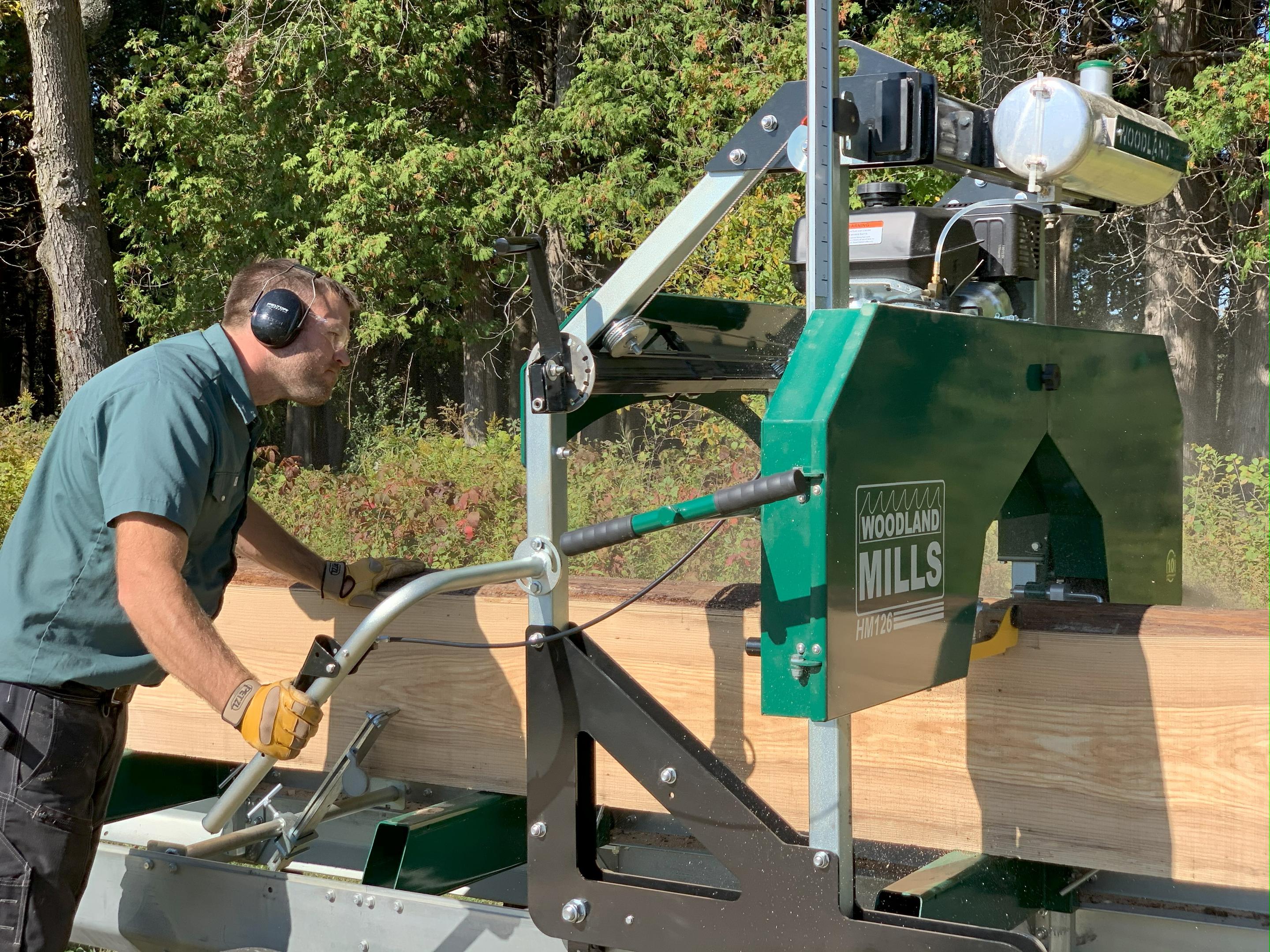
Many sawyers milling their own lumber create a broad range of projects, from patio furniture to live-edge coffee tables and much more. Consider the investment of a portable sawmill and what it can do for your projects as you start your woodworking journey.
In Summary: What's the best advice for someone getting started making their own wood furniture?
What's the fast and easy cheat sheet for making beautiful pieces of furniture, while keeping it surprisingly easy? Here's our advice:
-
-
Always make straight cuts and ensure your projects end up straight and level.
-
Draw clear lines before cutting and ensure your joints fit perfectly together.
-
Start with simple projects like side tables before moving up to larger ones like dining room tables or wardrobes.
-
Work with what you have, even if it's a small space and a few tools, and grow as you get better.
-
Finishing touches like sanding and varnishes can elevate your projects and make them stand out.
-
Frequently Asked Questions
Q: Why are my dimensions slightly off after cutting my own lumber?
A: When milling or cutting your own lumber you need to account for the kerf, the wood removed by the saw blade, when making cuts. On a portable sawmill the magnetic log scale reference will account for this difference.
Q: I use a pencil or pen a lot to mark cuts and those marks are visible in the end product, what should I do?
A: Mark the lumber with chalk or pencil when making cuts in your woodworking projects. These markers are easy to erase and won't end up in the final product. Alternatively, if you plan on painting your project then they'll be covered up anyway so they won't matter.
Q: Why do my woodworking projects become un-levelled over time?
Wood is a living thing, and is expands and contracts with humidity, as well as shrinking over time. If you want to ensure your wood's dimensions stay final, you should dry your lumber before working with it, then give it one final trip through the planer to finalize its dimensions.
SHOP SAWMILLS
HM122
An entry-level sawmill packed with impressive features at a budget-friendly price. Designed for hobby sawyers or woodworkers looking for an economical solution to mill lumber.
HM126MAX
The original Woodland Mills portable sawmill. Trusted by hobbyists for years, now featuring a FULLCUT™ sawhead to maximize usable cut width.
HM130MAX®
A wide capacity sawmill that produces stunning high-value live-edge boards. Loaded with features including our FULLCUT™ sawhead, RapidChange® blade system, auto lube, and more.
HM136MAX™
The ultimate solution for cutting wide live edge slabs, perfect for tabletops, counters, benches, and more. Our unique FULLCUT™ sawhead design ensures your logs' widest assets are left intact.
Join the Woodland Mills Community Facebook group. Search advice and insights from over 65,000 knowledgeable, supportive members.
- Pre-purchase considerations
- Sawmill set-up support
- Project inspiration photos and videos
- Community troubleshooting support